Generic selectors
Exact matches only
Search in title
Search in content
Post Type Selectors

Category: news

Friends of UGAMI work weekend

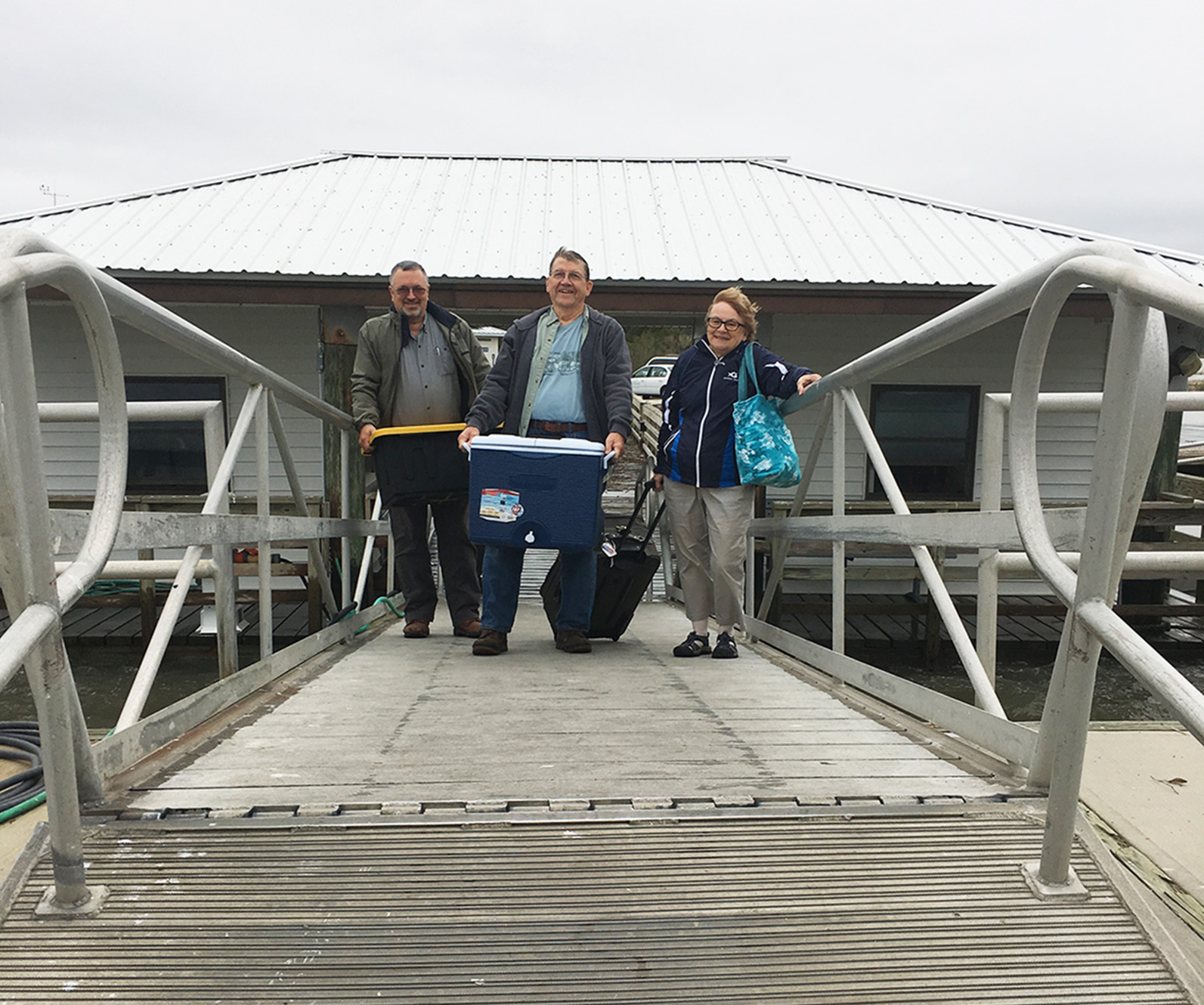
Phil Crocker with Walt Mason and Mary Ann Mason. Phil is an electrical engineer from Dalton, GA and Walt is a retired contractor.

Phil Crocker with Walt Mason and Mary Ann Mason. Phil is an electrical engineer from Dalton, GA and Walt is a retired contractor.

The Friends of UGAMI held one of their regular work weekends on the UGAMI campus.  Originally scheduled for the weekend during which Hurricane Matthew struck, they rescheduled for the weekend of November 11-13.

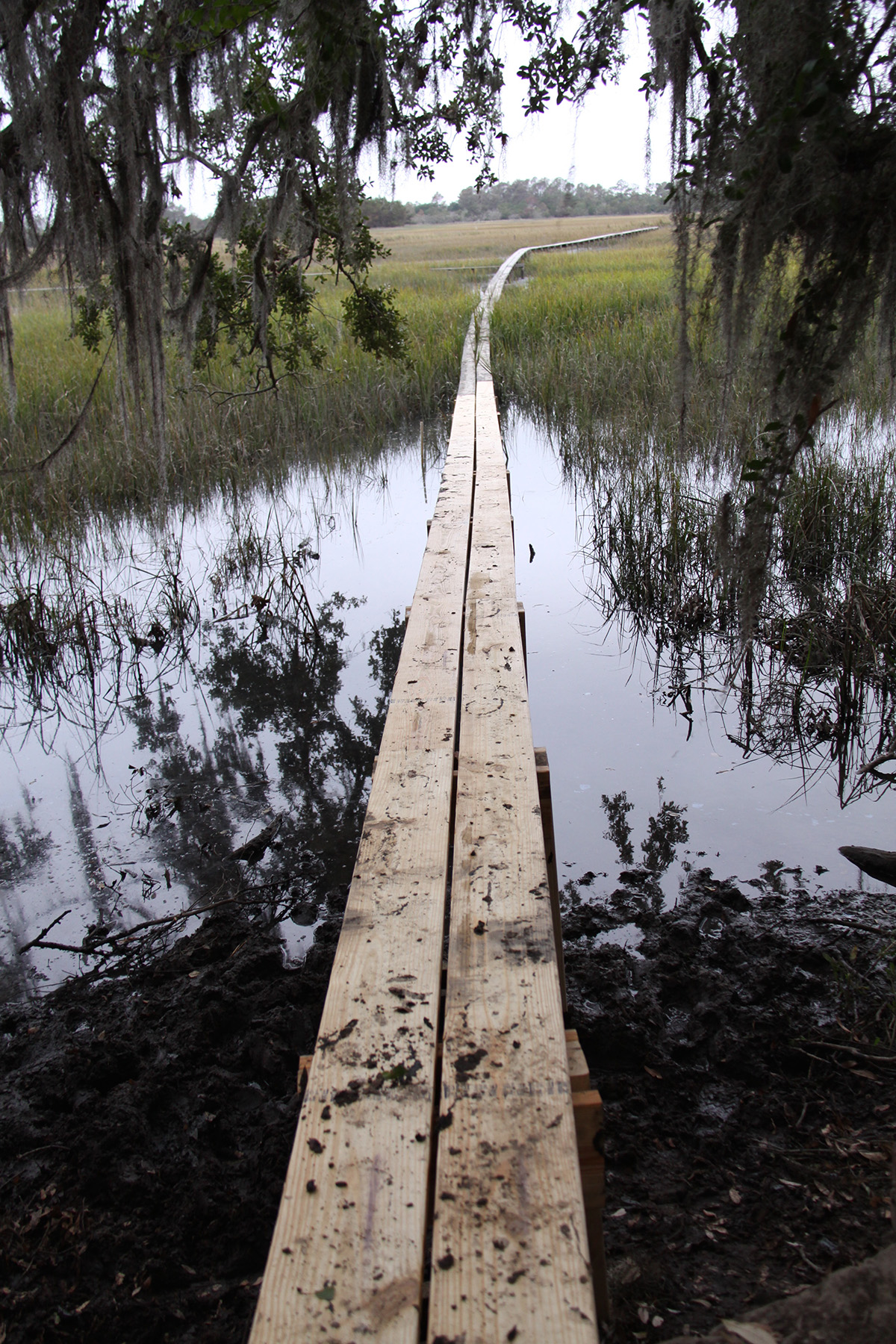
Twelve members participated in the work weekend, working on the Barrier Island Research Lab dormitory (BIRL), Teal Boardwalk, Sears House, and garage.  At the BIRL dorm, new light bulbs were installed in the kitchen and two new ceiling fans were installed in the breezeway. The front section of the boardwalk was raised six inches to try to avoid water standing on it for long periods of time and the top walk boards were replaced. Eventually all the walk boards will be replaced and the observation platform at the end will be moved back about 16 feet. At the Sears house, the stairway walls and ceiling were painted. The handrail was reinstalled and a new toilet was installed in the downstairs bathroom. Also, the kitchen ceiling was taped and plastered. The back of the garage was scraped and painted with two coats of primer.

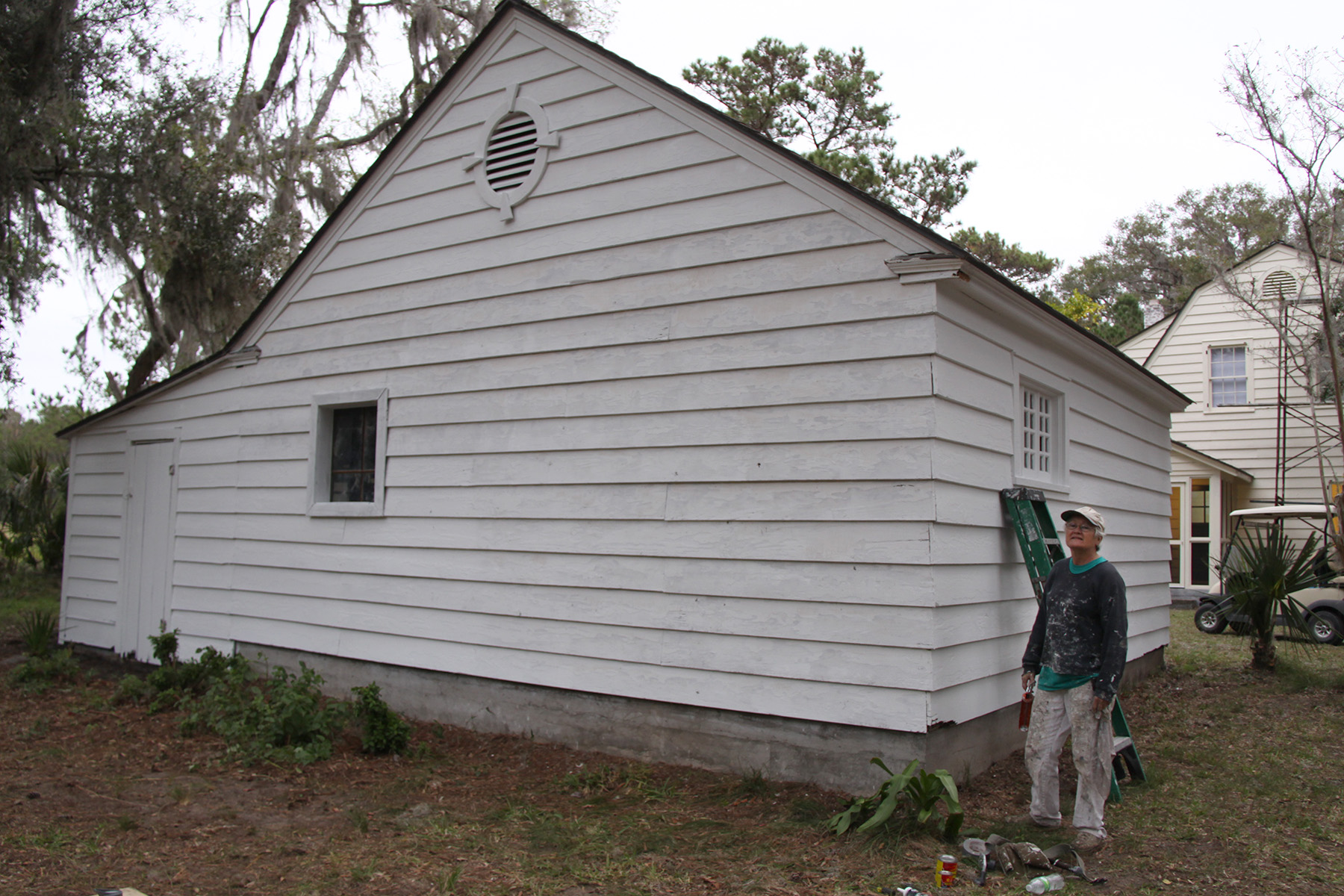
Jean Spencer painting the garage. Jean is a historic preservationist and a house painter by trade in Atlanta.

Jean Spencer painting the garage. Jean is a historic preservationist and a house painter by trade in Atlanta.

During their weekend at UGAMI, the Friends also had some fantastic meals and visited the Sapelo lighthouse and beach.  Everyone had a great time working together.

The Friends of UGAMI promote, support, and advance the research and educational mission of the UGA Marine Institute.  The Friends hold several work weekends every year and provide financial support for student training and research at UGAMI.  To join the Friends of UGAMI or make a contribution, visit their web site.

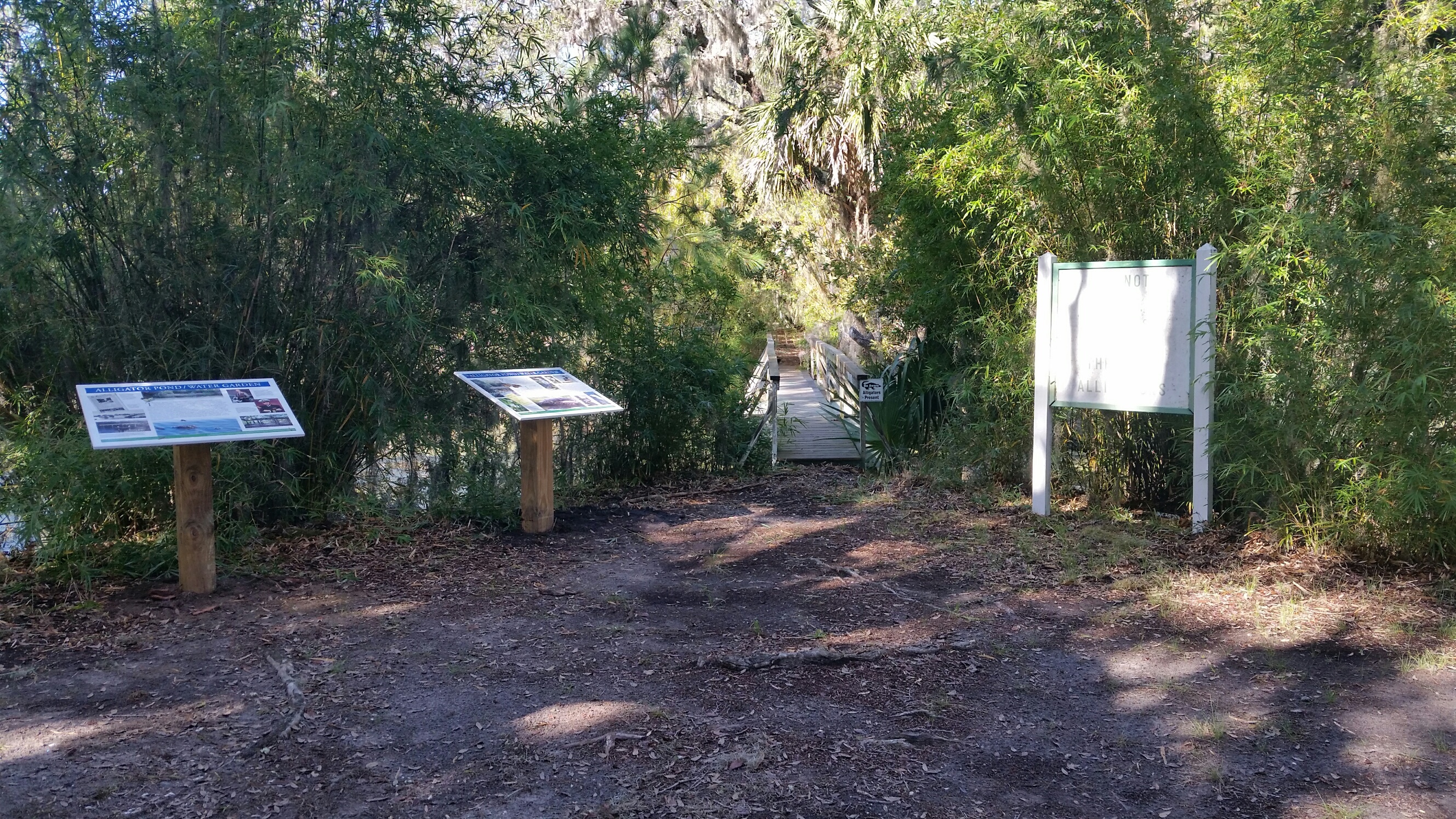
The Teal Boardwalk.

The Teal Boardwalk.

Franklin Residential College visits UGAMI

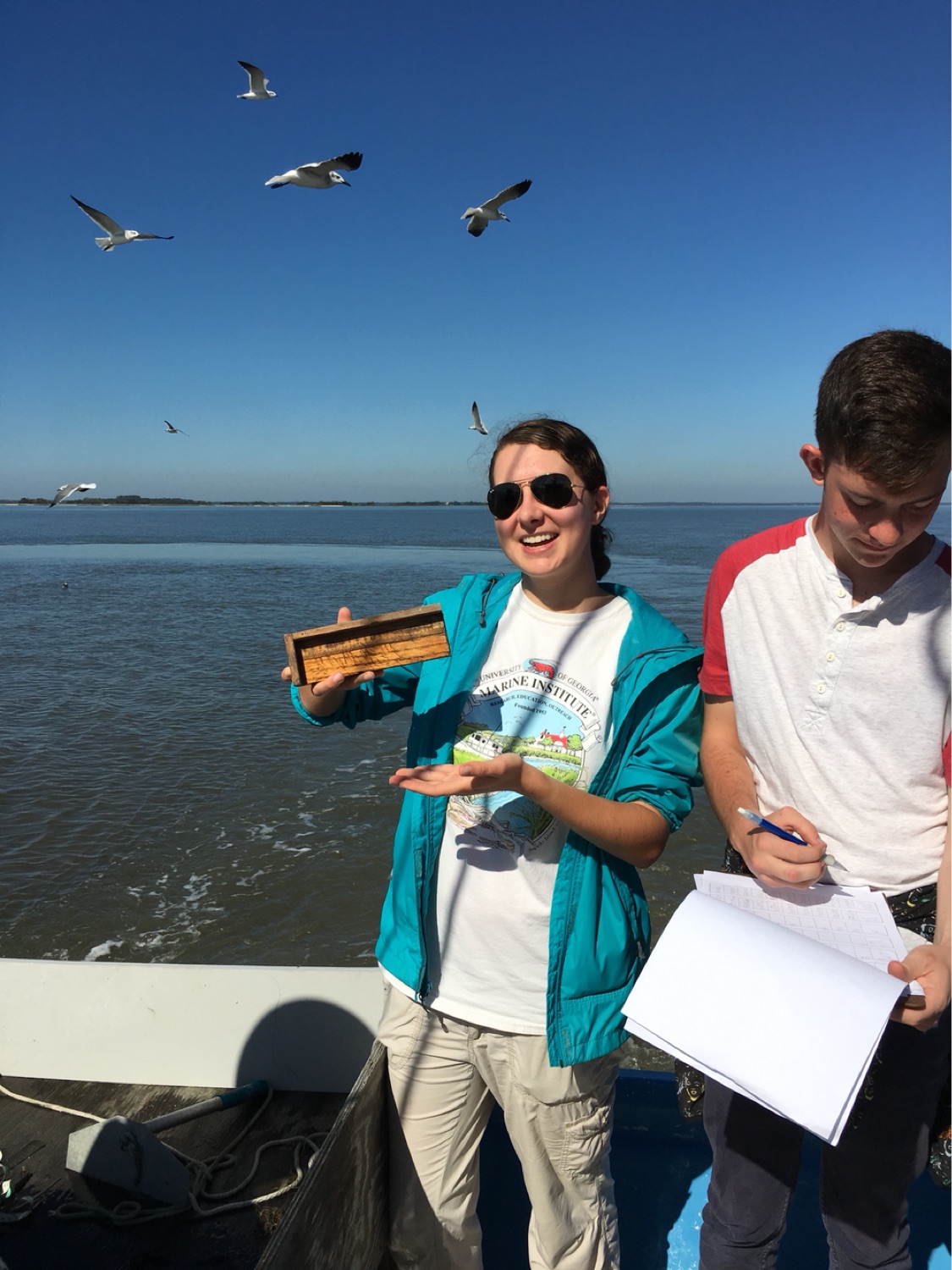
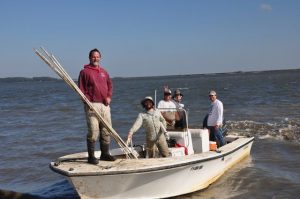
FRC students performing a trawl survey of the fish community in Doboy Sound.

FRC students performing a trawl survey of the fish community aboard the R/V Spartina in Doboy Sound.

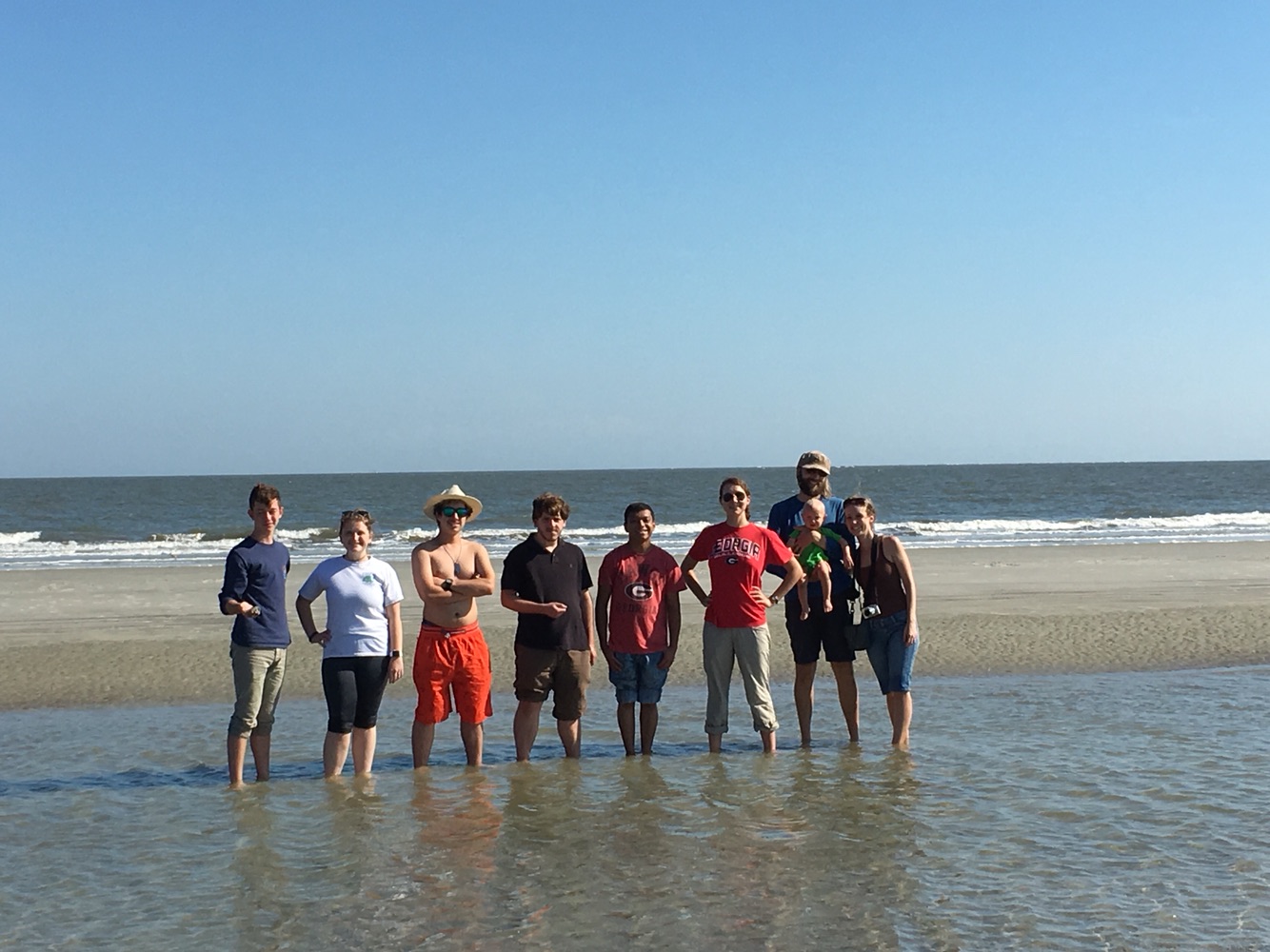
UGA’s Franklin Residential College (FRC) visited UGAMI during fall break on Oct 28-30.  FRC is a student-governed residential college program modeled after the residential colleges found at Ivy League institutions, giving the feel of a small college within a great university and offering its members opportunities to participate in intellectual and cultural events.  FRC students traveled to UGAMI to learn about the natural history and culture of Sapelo Island, and to take part in UGAMI research.  They conducted a nighttime bioacoustics survey in the Duplin River; took part in a fisheries trawl survey in Doboy Sound aboard the R/V Spartina; ate dinner at the famous Lula’s Kitchen in the Hog Hammock community; spotted alligators and spiders at night by flashlight; hiked the nature trail through the maritime forests, salt marshes and dunes in the Sapelo Island National Estuarine Research Reserve; toured the Reynolds Mansion; had a bonfire on the beach; and watched the sun rise over the Atlantic Ocean.  The annual trip to UGAMI is a highlight of the year for many FRC students because it allows them to explore Sapelo Island, follow their curiosity, and get away from traditional schoolwork for a couple of days.

I had a blast trawling and getting to see the fish species diversity in hand! I’d love to do something similar for an internship or summer job one day.

                                                                                                                 -FRC Student, Katie Russel

FRC students at Nannygoat Beach on Sapelo Island.

FRC students at Nannygoat Beach on Sapelo Island.

GCE fall monitoring

Dr. Steve Pennings measuring...something...during fall monitoring. Photo by Andy Penniman.

Dr. Steve Pennings measuring…something…during fall monitoring.

A large number of researchers, students, and volunteers associated with the Georgia Coastal Ecosystem (GCE)Long Term Ecological Research Project (LTER) gathered at UGAMI during the week of October 24-28 for the GCE’s annual fall monitoring. The goal of fall monitoring is to collect an extensive, standardized set of information during the same period every autumn from the GCE’s core sampling sites for use by all of the research projects associated with GCE and for inclusion in GCE’s long term databases. The research team started out a bit “behind the 8-ball” and short-handed due to hurricane Matthew, but with help from volunteers and beautiful clear days, they managed to finish all of their work on schedule. All the vegetation at one of their marsh sampling sites had been flattened by a huge mat of wrack that Hurricane Matthew’s storm surge pushed up into the marsh, but the other sites showed remarkably little signs of the storm. In addition to accomplishing an enormous amount of field sampling, fall monitoring week is a great opportunity for research colleagues from many universities across the country to catch up on each others’ recent research accomplishments.

The Georgia Coastal Ecosystems Long Term Ecological Research site was established by the National Science Foundation in 2000 and is based at UGAMI. The study area encompasses three adjacent sounds (Altamaha, Doboy, and Sapelo Sounds) and includes upland (mainland, barrier islands, marsh hammocks), intertidal (fresh, brackish and salt marsh) and submerged (river, estuary, continental shelf) habitats. Over 60 participants, representing 14 academic institutions and agencies, are currently involved in GCE research and educational programs. GCE research has contributed significantly to understanding the processes that shape estuarine and marsh environments.

Tired but happy field crew after finishing their portion of the 2016 fall monitoring. Photo by Andy Penniman.

Tired but happy marsh sampling crew after finishing their portion of the 2016 fall monitoring. Photos by Andy Penniman.


UGAMI is back to normal operations following Hurricane Matthew

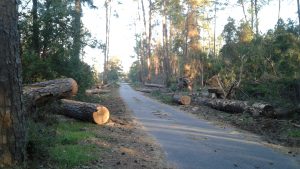
Sapelo Island's Marsh Landing Road, after downed trees had been cleared.

Sapelo Island’s Marsh Landing Road, after downed trees had been cleared.

As of Wednesday, Oct. 19th, UGAMI is open for business following its brush with Hurricane Matthew.  The storm caused no major damage to buildings, boats, or vehicles (see Oct. 10 Post on the effects of Hurricane Matthew). Initially, Georgia Power estimated that it would take 4-5 weeks to restore power to Sapelo Island.  Thanks to the monumental responses of the Georgia Dept. of Natural Resources and Georgia Power, it actually took just 6 days to turn the lights back on. The Dept. of Natural Resource’s chainsaw crews cleared the way for Georgia Power’s line crews, who brought several barge-loads of equipment and personnel to the island.

After the power came back on and other systems were restored, UGAMI remained closed to visiting scientists and students as a precaution until it could be verified that the drinking water supply had not been contaminated. Test results made available today give UGAMI’s water supply a clean bill of health. Individuals and groups scheduled to visit UGAMI should expect to find the Institute conducting business as usual.


Timeline of Hurricane Matthew for Sapelo Island

Sep. 28:  Tropical Storm Matthew enters the Caribbean Sea

Sept. 29: Matthew becomes a hurricane

Oct 3-6: Hurricane preparations at UGAMI

Oct 6: UGAMI closed, Sapelo Island evacuated (along with the entire coasts of Florida, Georgia, and South Carolina). Hurricane Warning issued for Sapelo Island.

Oct 7: Hurricane Matthew hits

Oct 8: Initial reports from Georgia DNR that UGAMI weathered the storm well but that Sapelo Island’s electrical grid was seriously disrupted. Power restoration estimated to take 4-5 weeks.

Oct 9: Chainsaw crews begin clearing roads, UGAMI staff begins formal damage assessment & cleanup

Oct 12: UGAMI re-opens for staff only

Oct 13: Power is restored to Sapelo Island in the evening

Oct 19: UGAMI re-opens for for all users.

Sapelo weathers Hurricane Matthew

The Southeast Georgia Coast experienced its first major hurricane strike in over a hundred years with Matthew this past week. While only minor damage was incurred, power is currently out, and the Institute remains closed at this time.

Georgia congressman visits UGAMI

U.S. Representative Earl “Buddy” Carter (Georgia, 1st district) visited Sapelo Island to learn about the research and education programs at UGAMI.

Ribbed mussels help protect marsh plants from the effects of drought

New research published in Nature Communication sshows that a mutualistic relationship — where two organisms benefit from each other’s activities — between ribbed mussels and salt marsh grasses may play a critical role in helping salt marshes bounce back from extreme climate events such as drought.