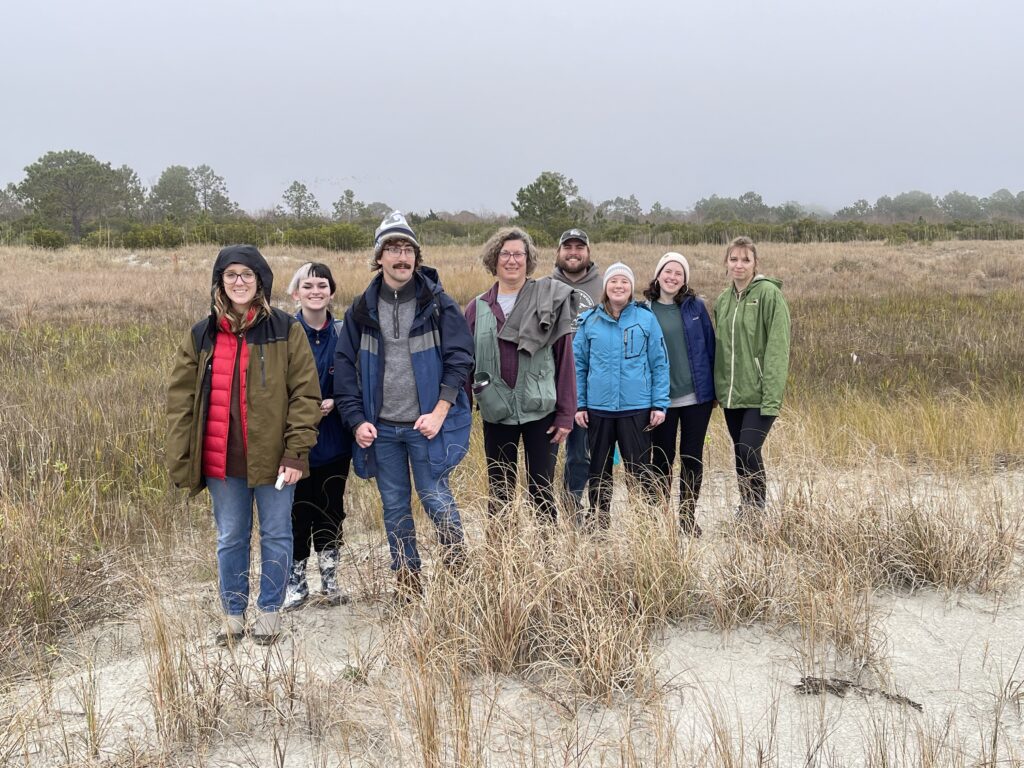
Students and program staff enjoying an excursion to the south end of Nannygoat Beach.
Welcome to our spring semester students, who arrived on Saturday, January 6 and will be on-site through April. In addition to UGA, they hail from the University of West Georgia, Dalton State University, Georgia Tech, and the College of Coastal Georgia. During their time at UGAMI, students will take courses in marine biology, ecology, animal behavior, marine fisheries, and coastal ecosystems. The students will get a chance to interact with many different people on Sapelo and the Georgia coast, and to spend lots of time in the field. Contact Dr. Tom Hancock (Thomas.Hancock@uga.edu) if you want to know more!
The Georgia Coastal Ecosystems LTER program (https://gce-lter.marsci.uga.edu/) seeks a research technician to assist with studies of coastal ecology. Work will be based at UGAMI and housing is available. The position involves studies of water quality, soils, and wetland plants and animals. The selected individual will work with other technicians, faculty and students at field sites.
The minimum qualification for the position is an Associate’s degree and some relevant experience; however, candidates with 4-year degrees in an environmental field (Biology, Chemistry, Geology) and significant experience will be the most competitive. Candidates must be able to operate pickup trucks, and have basic computer skills, including experience with email, word-processing, and spreadsheet programs. Let us know if you have any of the following useful skills or training: US Coast Guard Captains license, small boat piloting experience, drone pilot license, drone piloting experience, GIS.
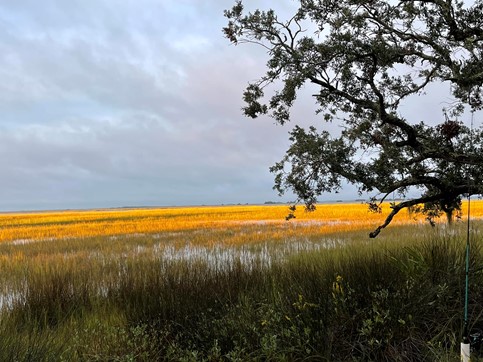
Morning view from Shell Hammock (photo by Gracie Townsend)
UGAMI was established in 1953, so 2023 marks our 70-year anniversary! We wanted to take a moment to look back over this past year.
Our research program is thriving. UGAMI continues to be the base of operations for the Georgia Coastal Ecosystems LTER project, as well as a host for investigators working in the Sapelo Island National Estuarine Research Reserve. Over 40 papers were published this year as a result of research conducted at UGAMI, and 7 students completed their theses.
We hosted educational groups from both near and far; completed another successful summer semester; and continued collaborating with the Cornelia Walker Bailey program on Land and Agriculture. Other visitors included teacher workshops and several interdisciplinary meetings.
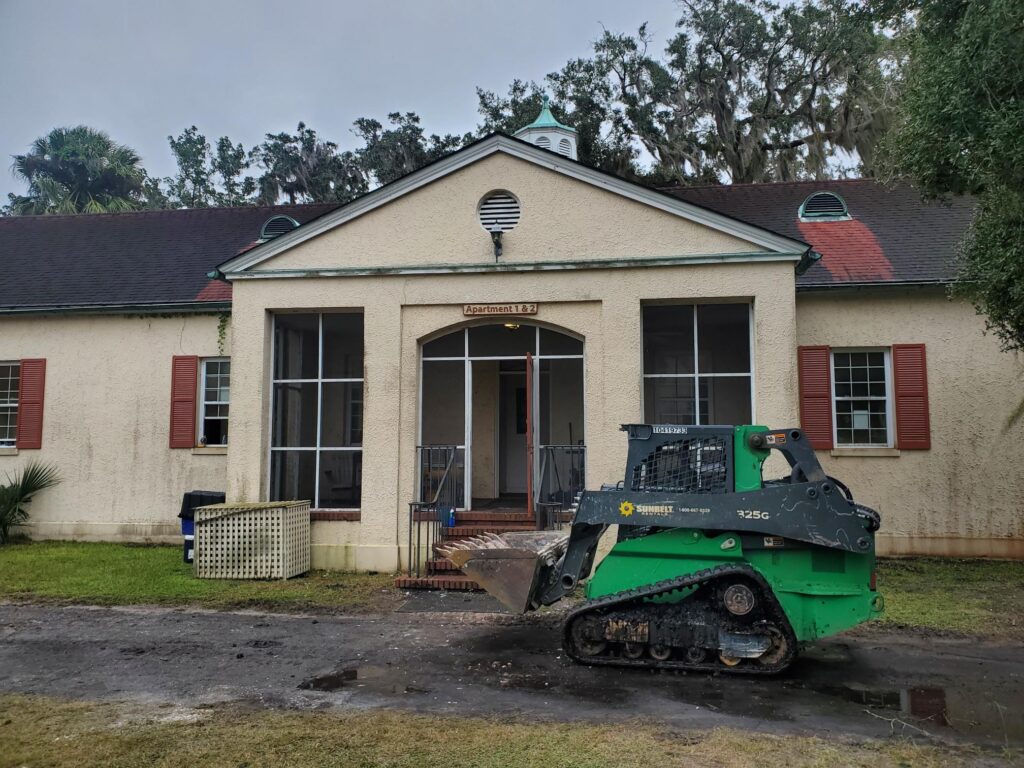
On the facilities side we continue to put effort into campus improvements. We completed the work on one of the 2nd floor labs and put new roofs on the Shell Hammock houses. We’ve also begun renovating the apartment dormitory on the main quad–The outside won’t change, but we are filling in the basement to provide structural support for the building and bringing the interior up to code.
If you would like to support us the best way is to join the Friends of UGAMI. They assist us in multiple ways, from sponsoring students and interns to helping with campus improvements. Donations can be made online, or via check made out to “UGA Foundation”, with “Friends of UGAMI” in the memo line, and sent to us at “Friends of UGAMI, Marine Sciences Building, 325 Sanford Drive, Athens, GA 30602”.
The Georgia Coastal Ecosystems LTER program (https://gce-lter.marsci.uga.edu/) has two openings, one for a Research Professional and another for a Research Technician, to assist with coastal ecology research on the Georgia coast. Both positions are part of a team that will work on Sapelo Island, GA.
The main quad of the UGAMI campus is a farm complex that dates all the way back to 1936. Over the past decade we have renovated much of the main lab as well as the two adjacent carriage houses. Now we’re starting to work on the South End Apartment building, which has served as a dormitory facility for students and researchers for the better part of a century. The building is critical for the function of the Marine Institute and serves as an anchor for the original campus. Time, unfortunately, has taken its inevitable toll, and a combination of age and the harsh coastal environment have made it necessary to renovate this building as well. We have just broken ground on the project, and will be working on Apartments 1&2 over the coming months. We won’t be changing the outside, but the interior will be upgraded to meet current code. The renovations are being funded through the State’s Major Renovation and Repair program, with additional contributions from multiple sources within UGA. The project is being carried out by the Parker Young Construction Co, which mobilized a crew this past week. Stay tuned for further updates!
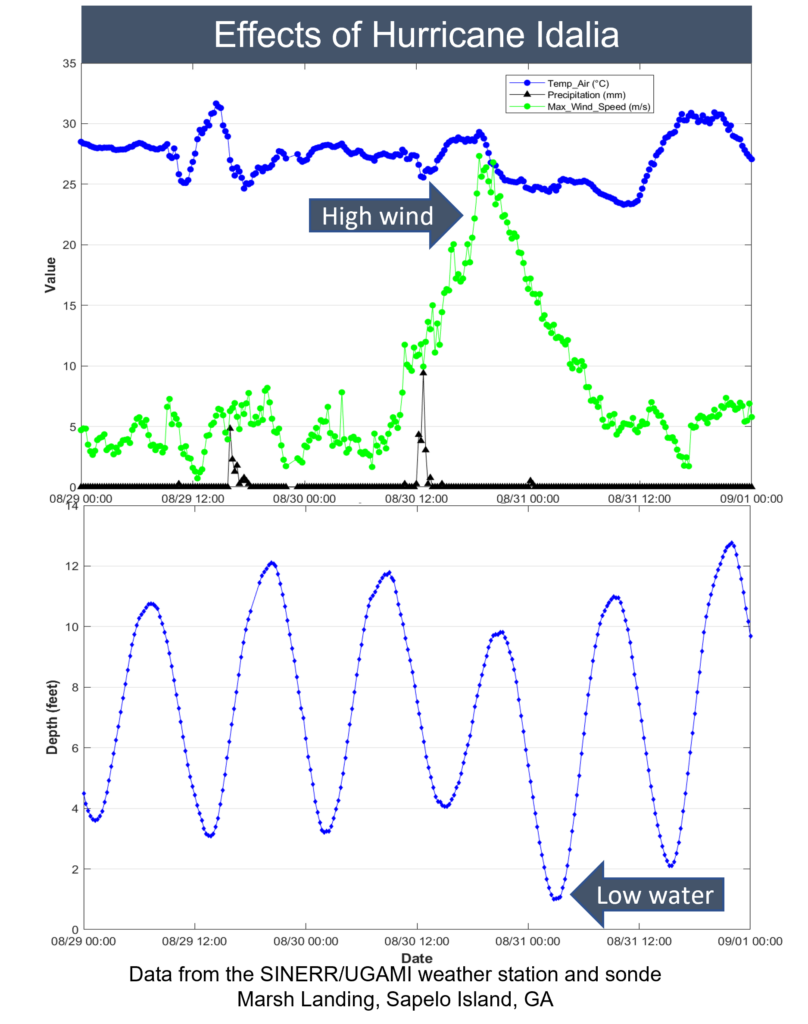
Hurricane Idalia moved through coastal Georgia as a tropical storm this past Wednesday (8/30), and thankfully UGAMI made it through unscathed. The staff sprang into action, moving vehicles to higher ground, putting up the hurricane barriers, and generally making sure that things were picked up in advance of potential flooding and high winds. As you can see from the graphs, the wind peaked at approximately 27 m/s (~ 60 mph) and we got only a brief spike of rain. Interestingly, instead of flooding the storm actually pulled water away from the shore so water levels were lower than usual. The power was out from Wednesday until late Thursday night and we lost some shingles off the roof of the shop, but other than that we fared pretty well. Let’s hope we don’t have to do this again anytime soon. (And thanks again to the UGAMI staff!)
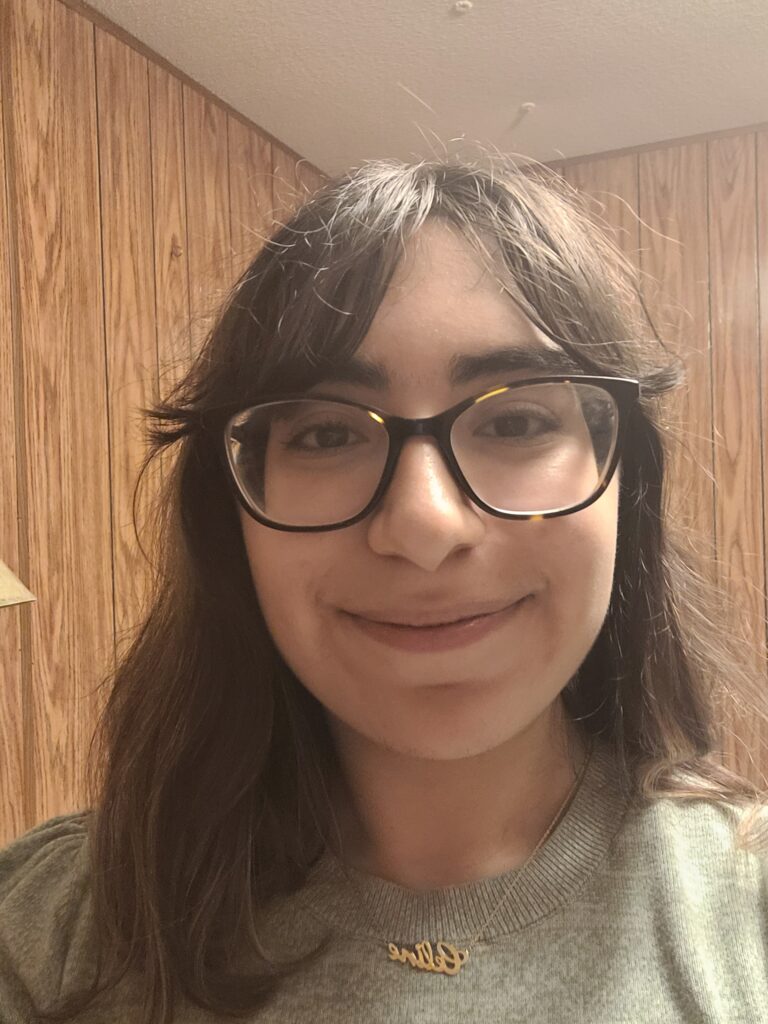
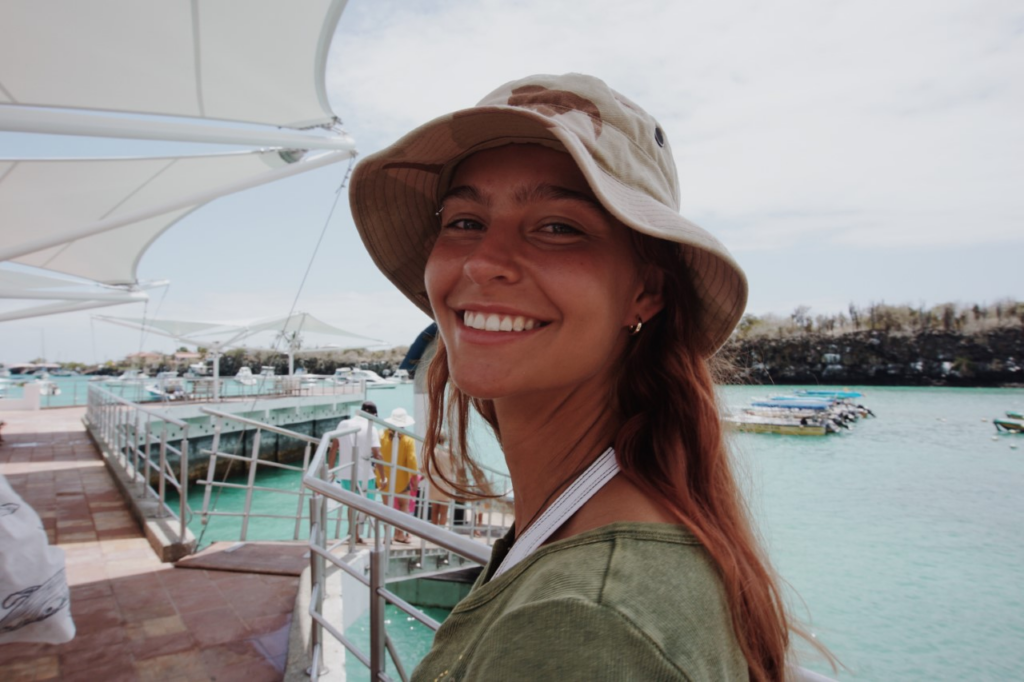
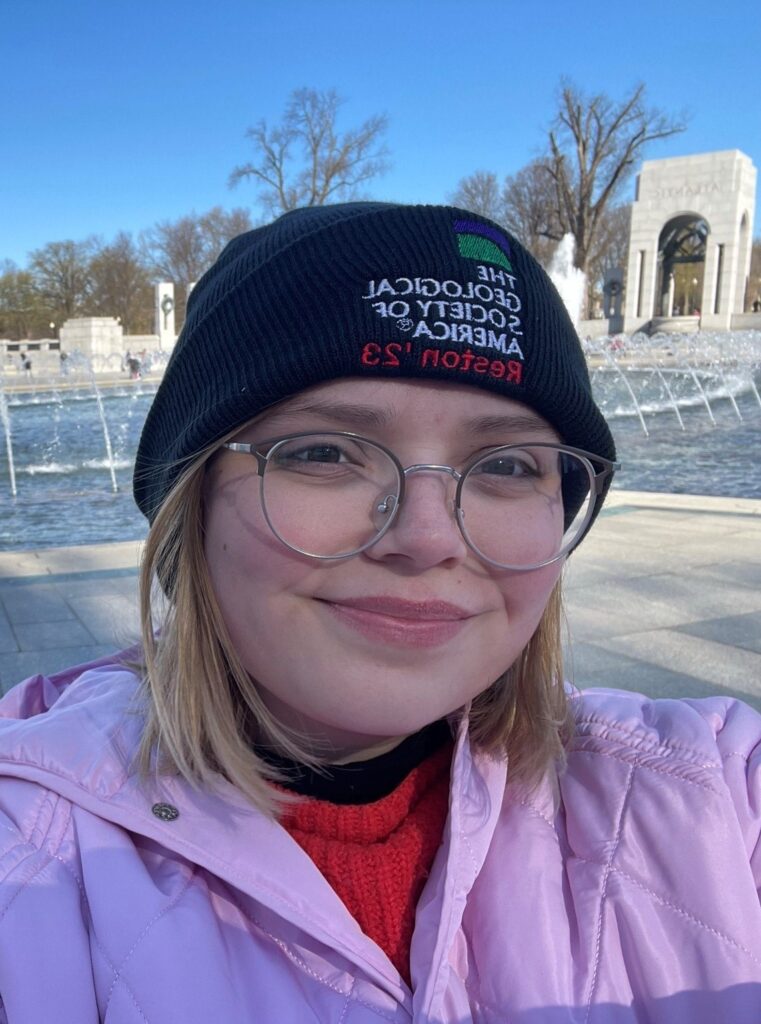
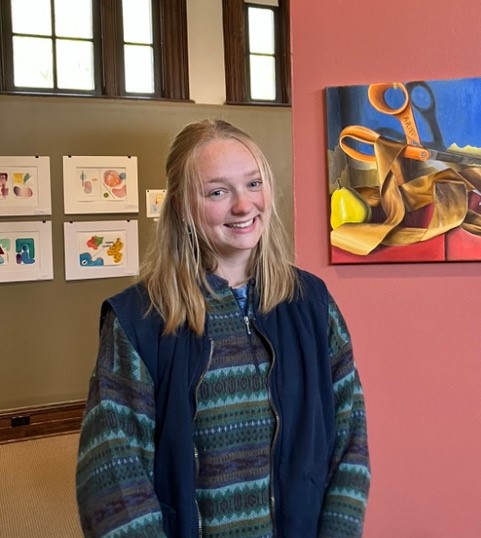
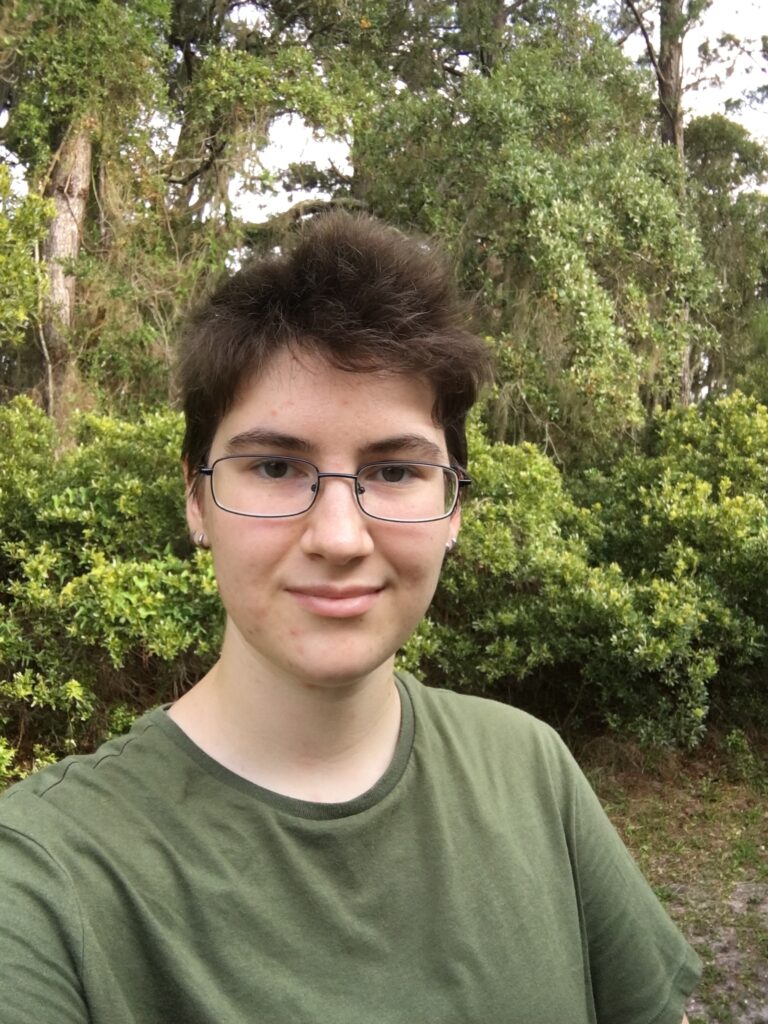
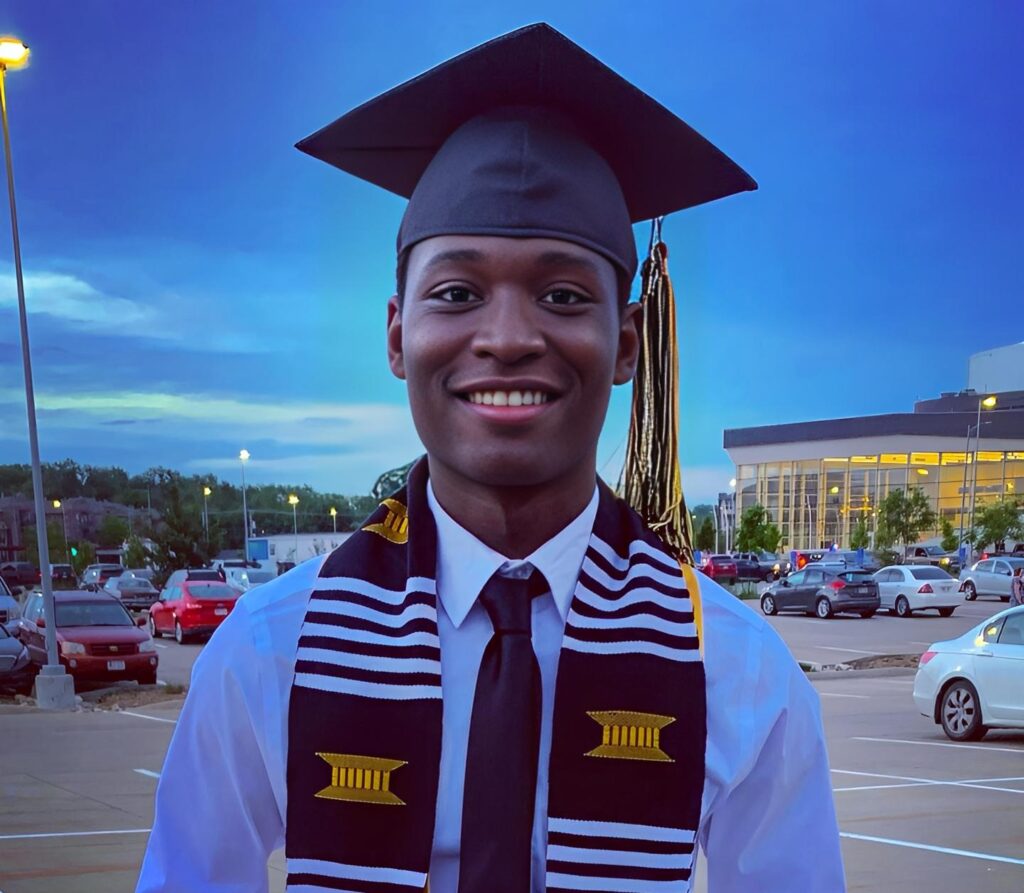
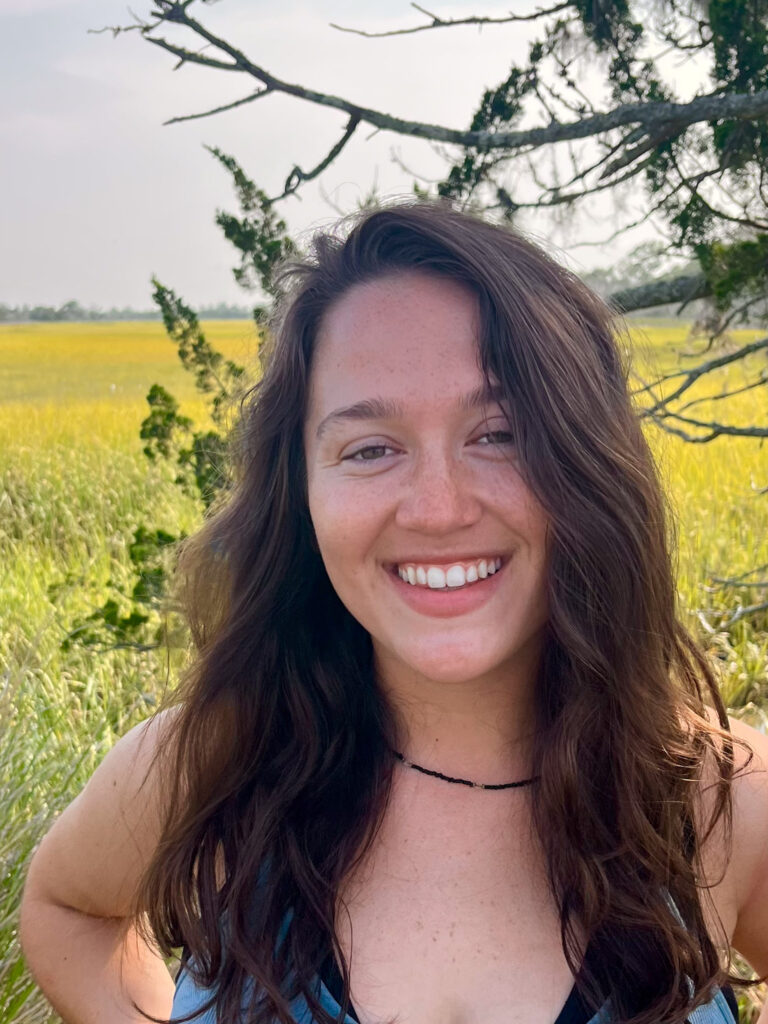
Celine Saidy, Univ. of HoustonClara Coughlan-Smith, Creighton Univ.Clara Ray, Georgia Southern Univ.Grace Gibbs, Juniata CollegeHazel Pepperman, Georgia State Univ.Renedy Kafweko, Creighton Univ.Shawna Mulvihill, SUNY College ESF
10 student interns were in residence at the UGA Marine Institute over the summer conducting research with GCE-LTER investigators: 3 Univ. of Houston students worked with Dr. Steve Pennings on salt marsh disturbance experiments; 3 students (Georgia Southern Univ., SUNY-esf, Univ. of Georgia) worked with the GCE field crew; 3 students (Creighton Univ. and Georgia State Univ.) worked with Dr. John Schalles on developing algorithms for remote sensing; and 1 student from Juniata College worked with Dr. Emlyn Resetarits and Dr. Shelby Zeigler on salt marsh predation experiments. We wish them all success as they continue with their studies!
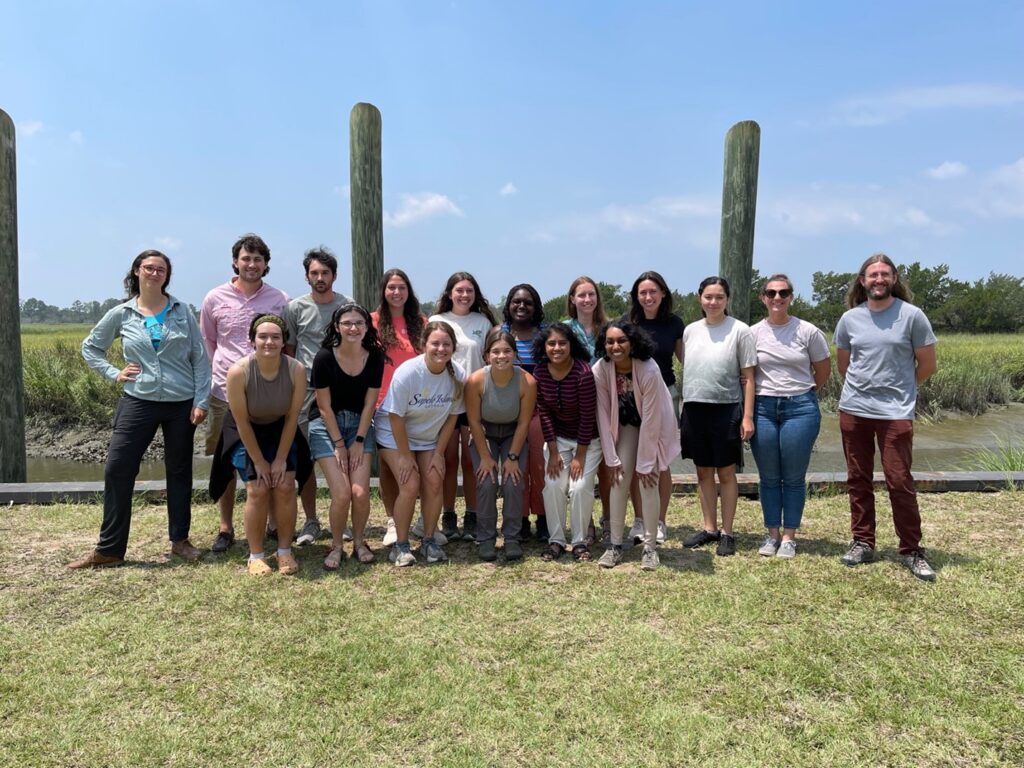
Students in the 2023 UGAMI Coastal Summer Semester. The course was co-taught by Dr. Emlyn Resetarits (far left) and Dr. Shelby Ziegler (2nd from right).
Students from the Coastal Summer Semester gave their final research presentations Friday afternoon, June 30. The presentations were the culmination of two intensive weeks spent designing and conducting field-based marine ecology research projects. Students often started early in the morning and worked late into the night. Through this effort the students gained valuable laboratory and field experience, honed their understanding and application of the scientific method, and got to work with skilled mentors. Research topics were divided into four general categories: parasite ecology, invertebrate behavior, faunal distributions, and adaptations of primary producers.
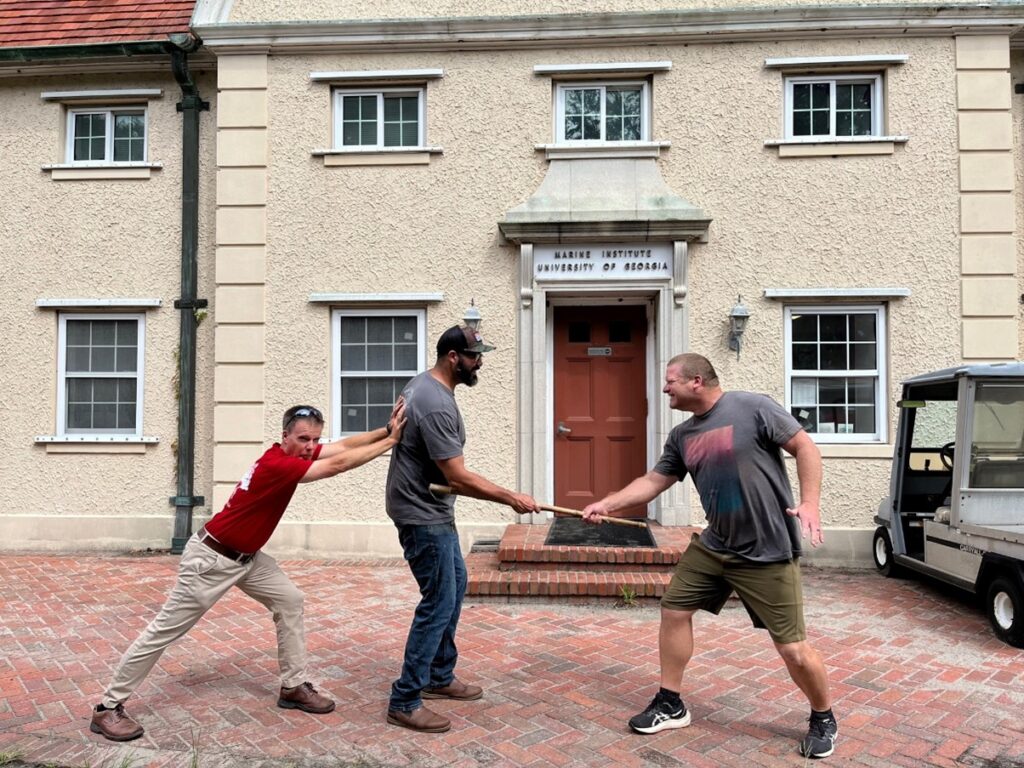
From left: Dr. Tom Hancock, Nick Macias, and Jacob Shalack
After nearly 16 years, Jacob Shalack is officially leaving UGAMI on July 1. Jacob is a Research Professional who has worked with many researchers as the lead technician of the GCE-LTER, and since 2013 has also served as the Assistant Director for Operations at UGAMI. He is moving to the Office of the VP for Research on the UGA main campus, where he’ll be a Facilities Professional. We plan to continue working with him in his new capacity.
In the meantime, we have hired two new Assistant Directors, both of whom started on June 1. Nick Macias, the new Assistant Director for Operations, is a freshwater ecologist with experience as a field site manager and research and education coordinator for Cal Poly’s Swanton Pacific Ranch. He hails most recently from Georgia Southern, where he was a visiting faculty member. Tom Hancock, the new Assistant Director for Academics, is a coastal ecologist who has worked in both private and public settings, including as Director of Conservation for the Bald Head Island Conservancy. Tom was a professor in the Biology Department of Middle Georgia State University, and in that capacity has been bringing marine biology classes and research students to Sapelo Island since 2016. We welcome them both to the team!
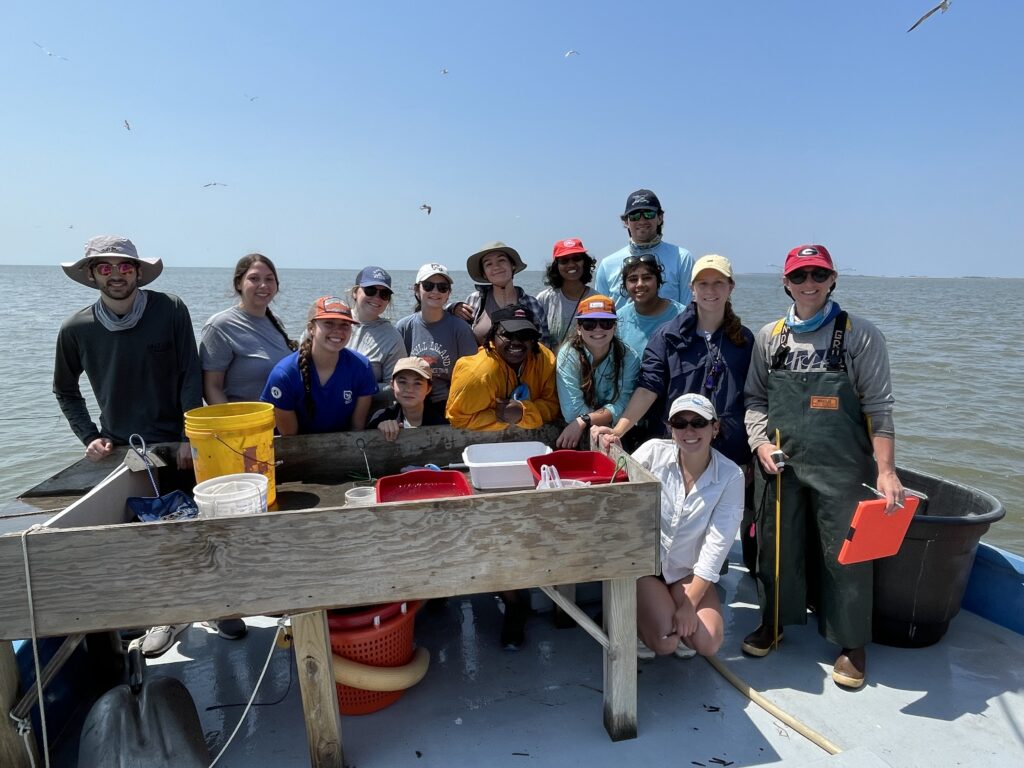
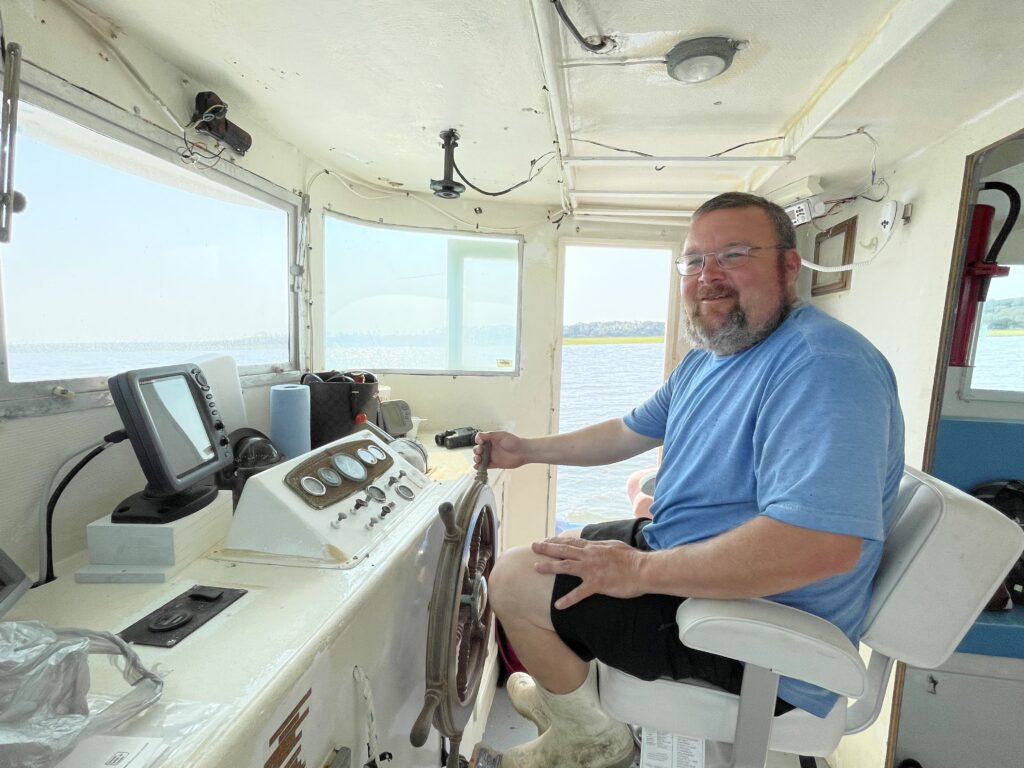
The 2023 Coastal Summer Semester class onboard the R/V Spartina for a trawl.
The Coastal Summer Semester students arrived on Sapelo Island Sunday afternoon, June 4th. The program is off to a great start! Thus far students have trawled on board the R/V Spartina, learned about oyster ecology, salt marsh dynamics, black gill in shrimp, and nearshore plankton communities, as well as discovered various marine invertebrates and vertebrates along the way.
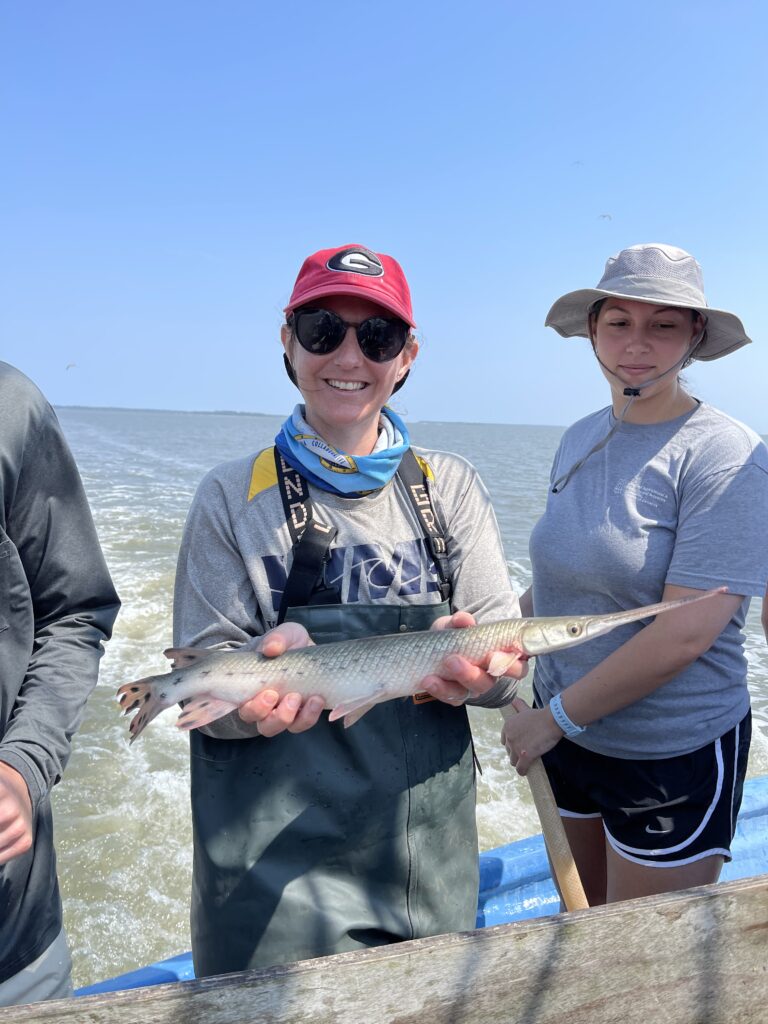
Dr. Shelby Zeigler showing off a gar that was caught in the trawl.
Lab and field activities have included phytoplankton chlorophyll extraction, measurement of fish abundance and diversity in the estuary, oyster parasite and disease recognition and quantification, and seine netting from the beach. Next week students will begin to design and execute their independent research projects. If this type of immersive, hands-on, inquiry-based experience looks interesting, please consider our Spring 2024 Semester Program.