The GCE-LTER is now accepting applications for their 2019 undergraduate summer internships. There are seven projects total with 4 based on Sapelo Island; one in Athens, GA; one in Bloomington, IN; and one in Savannah, GA. GCE will start reviewing applications February 15th; the deadline for all applications is 05:00 PM EST on March 1, 2019.
UGAMI now has a Facebook page where you can keep up to date on research, available courses, visitors, and general happenings on site. Please “like” our page and share with your colleagues and friends!
A familiar occurrence is happening again at UGAMI: another
infrastructure improvement project is getting underway. The process begins with the arrival of a
barge loaded with equipment and construction materials. Then the workers arrive on the ferry, many of
whom are now our old friends; veterans from previous construction projects at
UGAMI.
The current project is the second phase of renovations on the
Main Lab building, which focuses on the utility systems in the southern half of
the Main Lab Building. This phase will significantly upgrade the HVAC, potable water, sewer,
and electrical systems. The results may not be immediately obvious to
first-time visitors, but lab users who have been coming to UGAMI for a while
will surely notice the improvements in indoor air quality & temperature.
There
have been many investments made in infrastructure improvements at UGAMI over
the past two years, including: installing a new pumping and water distribution
system for our seawater labs; creating new outdoor seawater tank facilities; renovating
the ground floor of the Main Lab (visitor labs, a shared equipment lab, and a
new teaching lab); consolidating the Maintenance Department’s shop facilities; creating
a new lab space with fume hoods in what used to be the old electrical shop;
renovating the administrative offices and creating a museum exhibit space in
the north carriage house building; creating student recreation facilities, housekeeping
facilities, a video conference room, and offices in the south carriage house
building; and replacing the boat docks in South End Creek and Post Office Creek.
Living
amid a major construction project can be inconvenient. But UGAMI users and staff are excited to see
the progress taking place. These
investments by the University System of Georgia and external funding agencies
are proof of the value placed on UGAMI and the work that goes on here.
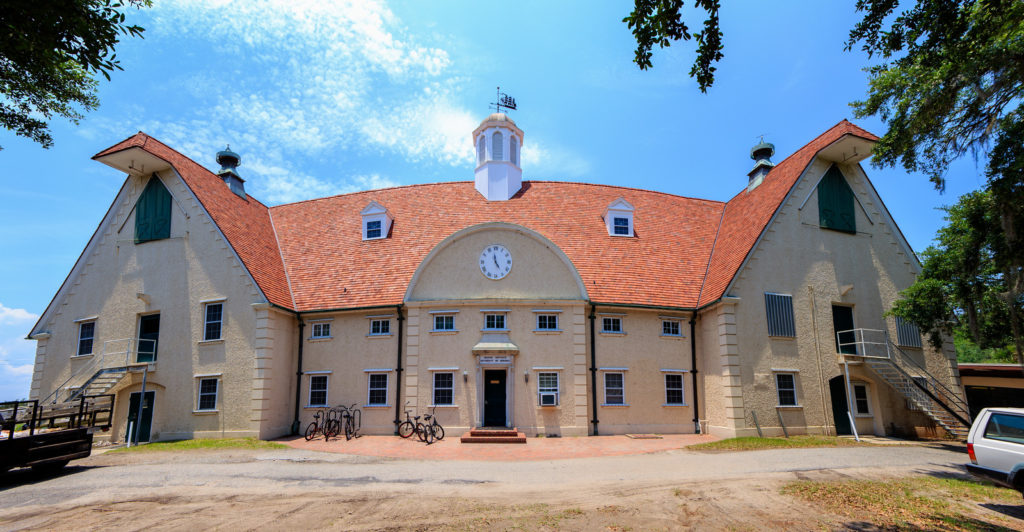
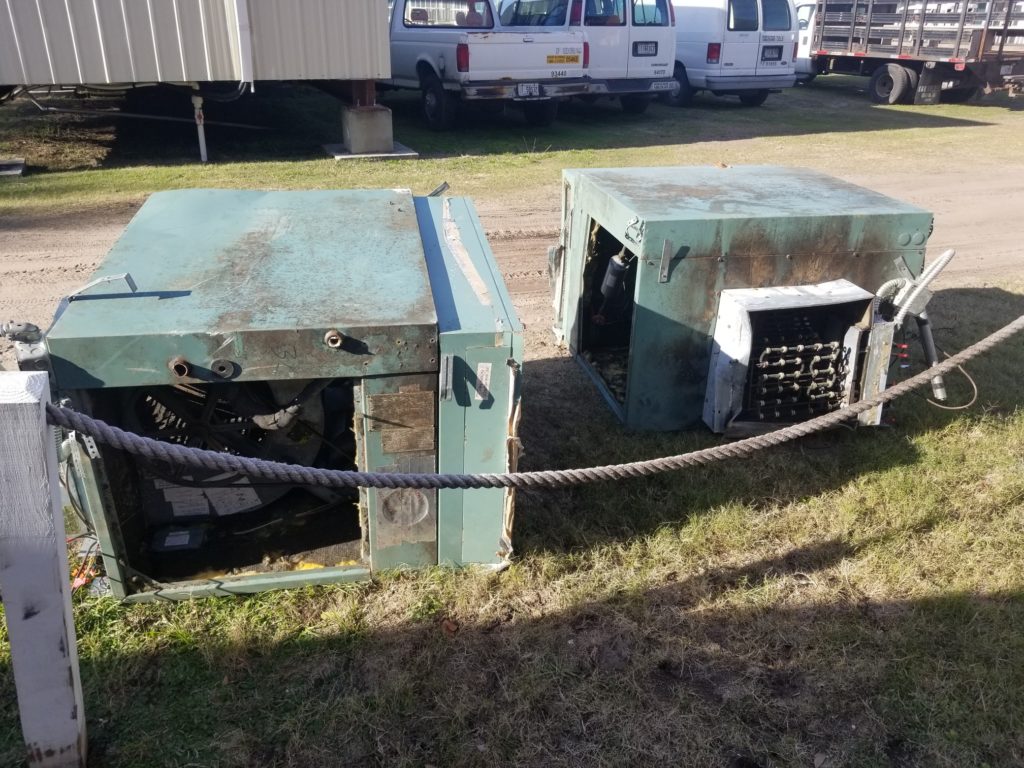
UGAMI’s Main Lab before the renovations. Most of the work in the second phase of the renovation will take place in the wing of the building seen on the left side of the photo.Out with the old, in with the new. These are the old air handlers from the HVAC system in the auditorium and library wing of the Main Lab.
UGAMI is proud to announce that Jacob Shalack has earned
the Certified Educational Facilities Professional (CEFP) credential from APPA. The CEFP credential recognizes leaders
in educational facilities management and is a way to validate the unique
knowledge and competency required of an accomplished professional in the
educational facilities field.
Jacob wears two hats at UGAMI. He splits his time between being UGAMI’s Assistant Director for Operations and the Site Manager for the Georgia Coastal Ecosystems LTER. Many of UGAMI’s users only know Jacob in one of these capacities and have no idea that he has another side to his professional life.
By acquiring the core knowledge necessary to obtain the CEFP,
Jacob is helping to ensure the long-term stewardship of UGAMI.
Congratulations, Jacob!
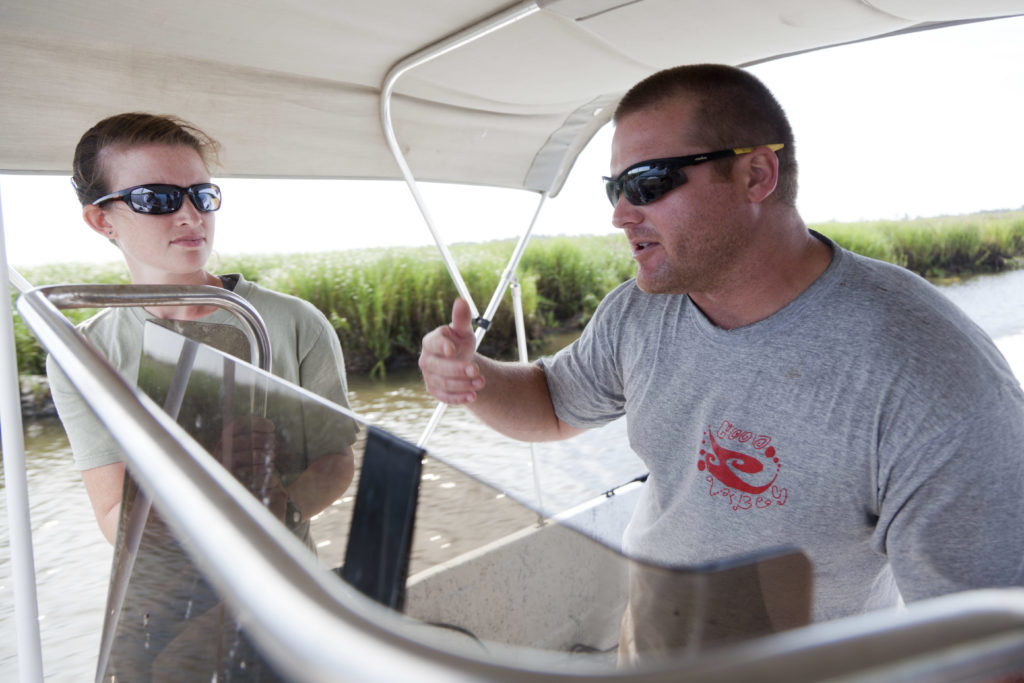
Jacob Shalack and a student heading out on the water to conduct research on marsh hammocks.
The University of Georgia’s Cornelia Walker Bailey Program on Land and Agriculture recently launched their own website. This program focuses on the history, present status, and future of agriculture on Sapelo Island, GA. The program facilitates meaningful partnerships among UGA faculty and students, the Georgia Department of Natural Resources, the Sapelo Island National Estuarine Research Reserve, and the Hog Hammock community. It also complements the UGA Marine Institute’s broader educational mission of creating unique experiences of immersion, providing strong mentorship from UGA faculty and community leaders, and encouraging students to engage with real-world problems through UGAMI’s Geography of the Georgia Coast course. The website features important news and publications as well as ways to support the program.
We are a little late posting this one, but UGAMI’s undergraduate residential program was featured in the UGA Columns. Students can now live and study on Sapelo Island during the spring and summer semesters. The Marine Biology Spring Semester (https://bit.ly/2CAyoxY) is a residential program open to 14 undergraduates interested in studying marine biology. Students spend the majority of their days in the field doing hands-on science as well as making connections with researchers from across the country. The deadline to register is November 9, 2019, and the program will kick off in Spring 2020.
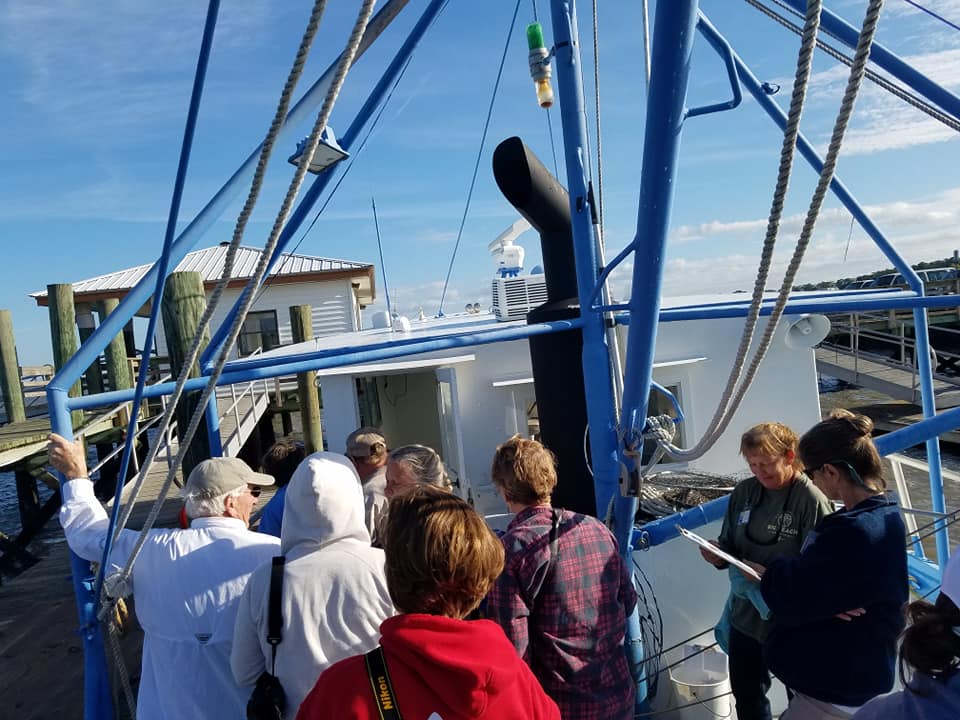
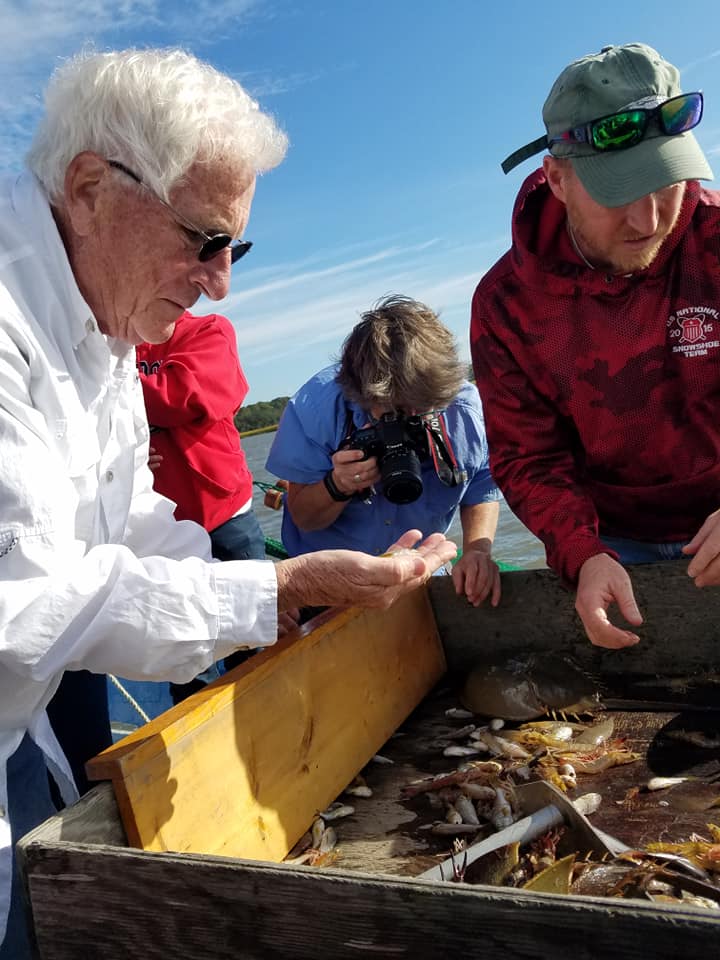
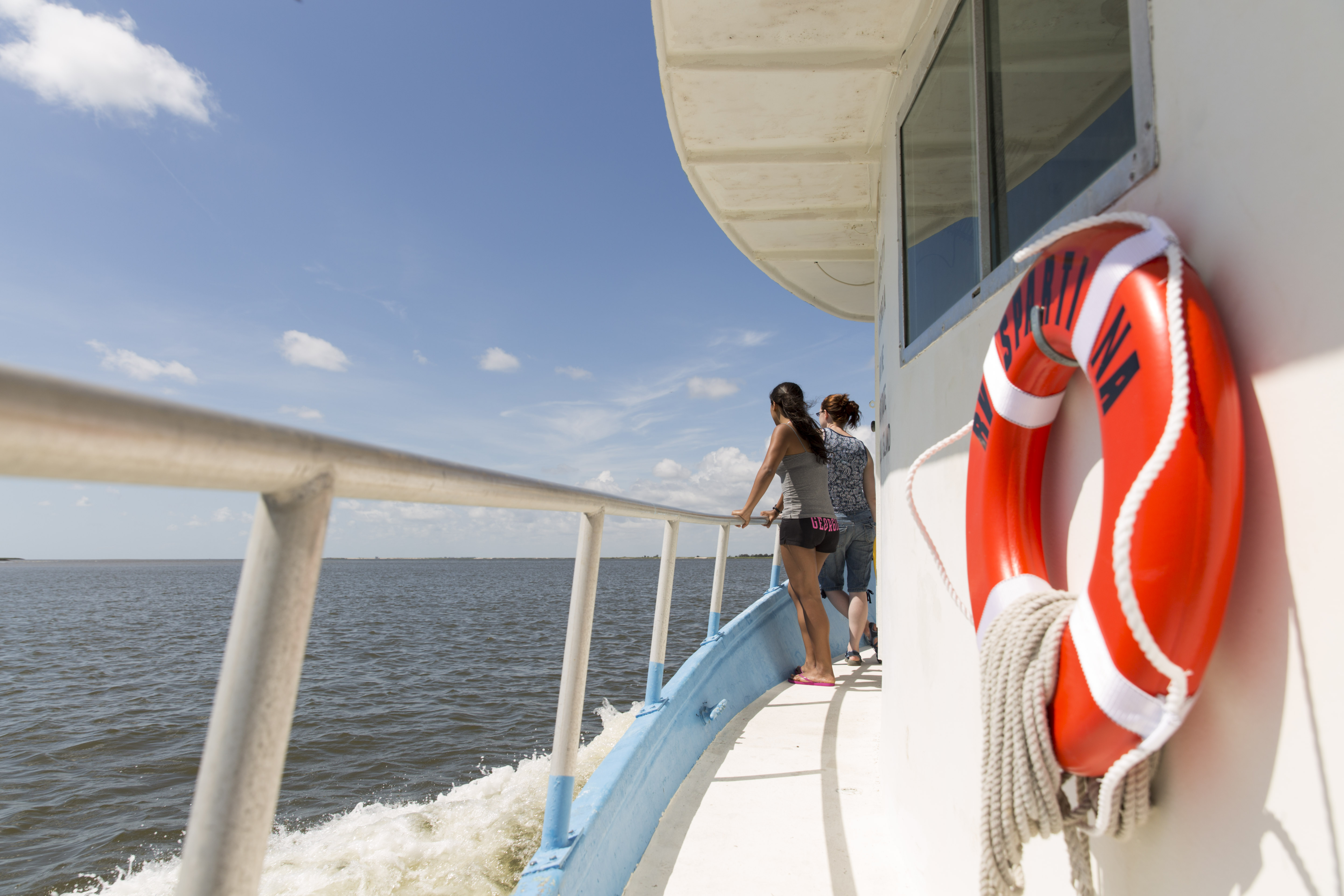
We do…the Georgia Association of Marine Education, that is. GAME provides networking opportunities for its members, equips educators to teach marine science concepts more effectively, and celebrates the wonder of the aquatic systems of Georgia. GAME held its annual meeting at UGAMI on Nov 2-4, 2018 with a theme of the Collaborative Nature of Science. In addition to a full agenda of lectures, discussions, and teaching demonstrations, GAME members toured UGAMI’s facilities, spent a morning trawling aboard the R/V Spartina, and went on other field trips to experience UGAMI research and Sapelo Island’s natural beauty. Attendees included classroom teachers, museum educators, naturalists, natural resource managers, and university faculty. By meeting at UGAMI, Georgia’s marine education community had a fabulous opportunity to gain firsthand knowledge of current research and to develop relationships with researchers and fellow educators.
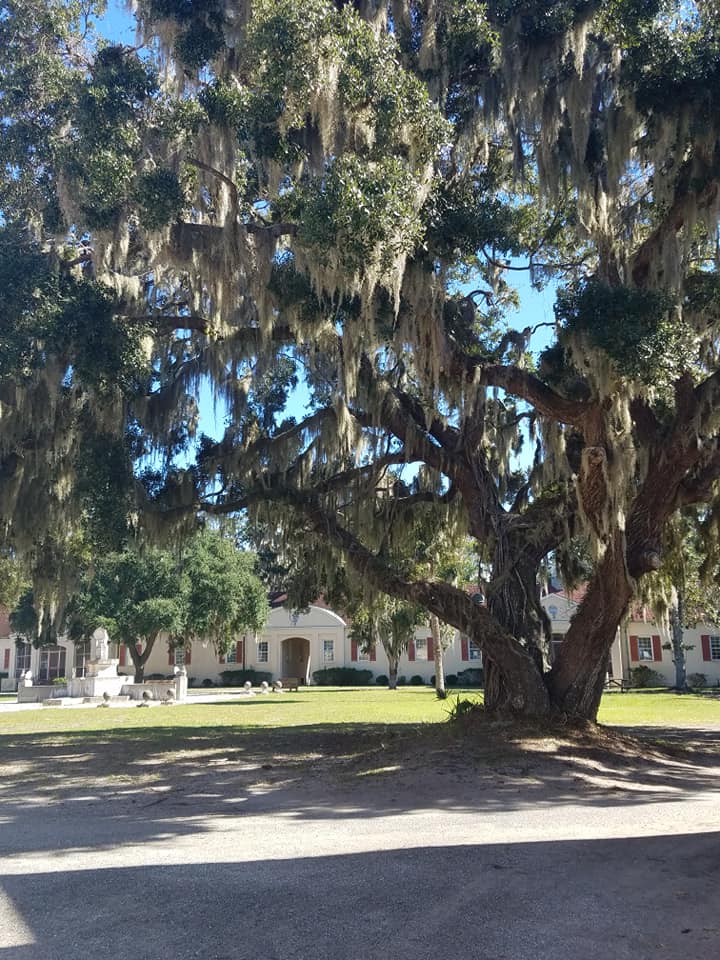
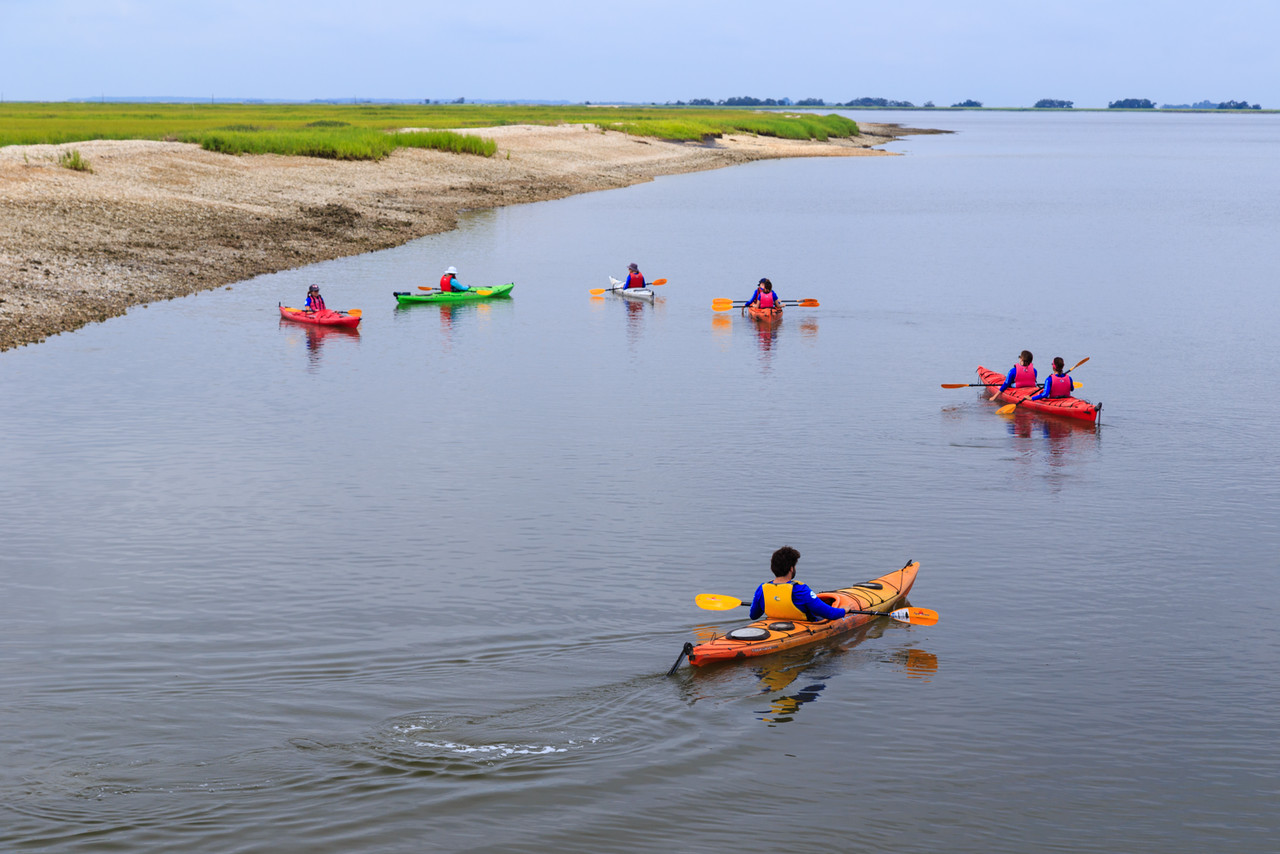
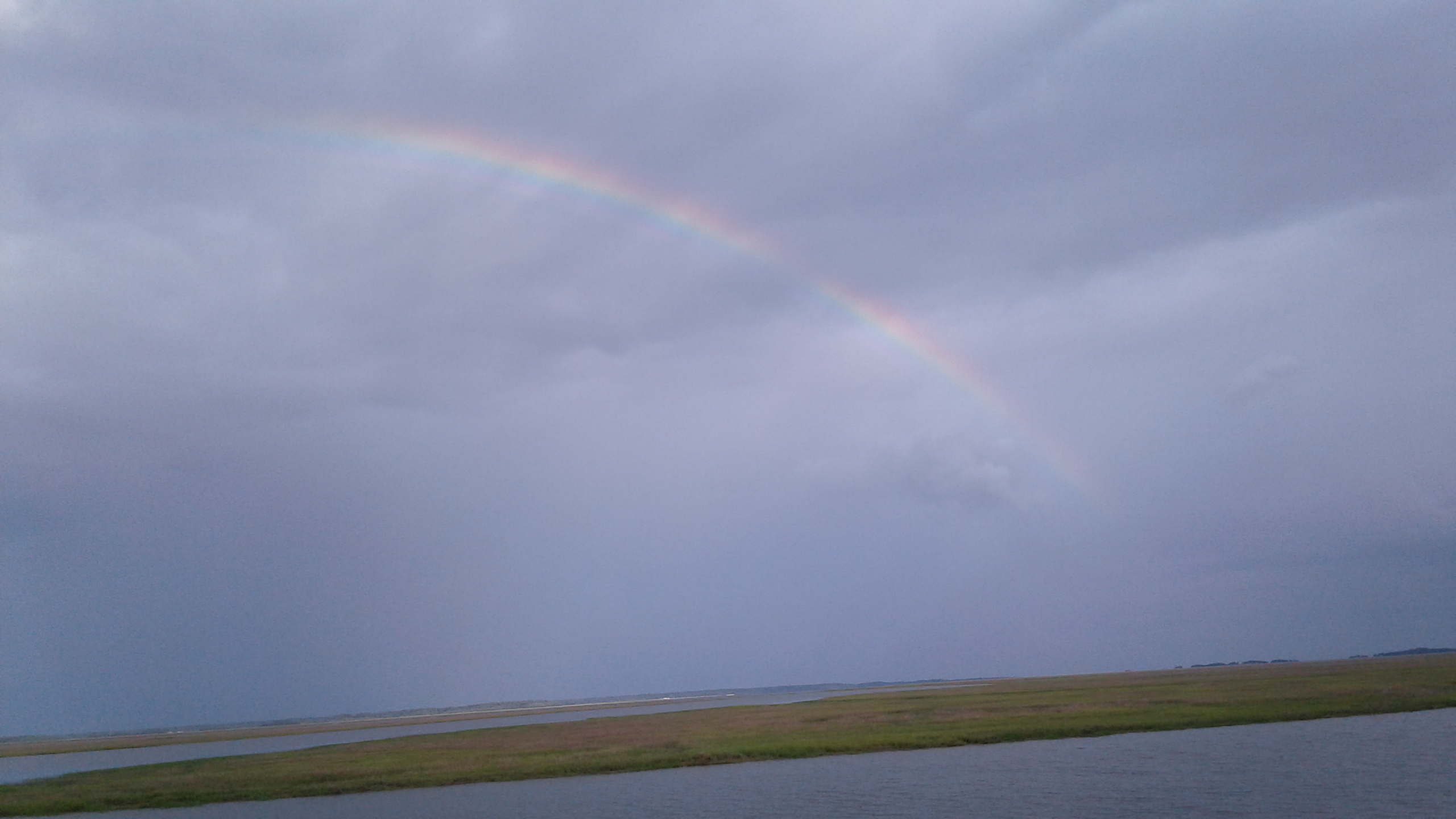
Natural beauty surrounds UGAMI on Sapelo Island
Ready to head out on the R/V Spartina!
GAME members explore their trawling catch with UGAMI’s Assistant Director, Damon Gannon (right).
The University of Georgia Marine Institute is pleased to announce the creation of a new academic program, the Marine Biology Spring Semester. This exciting opportunity is open to undergraduate and graduate students, from any college or university, pursuing a degree in biology, ecology, chemistry, geology, fisheries biology, wildlife biology, environmental science, marine sciences, oceanography, or related field. Students will be immersed in field-based learning while taking up to 17 credit hours of formal coursework in marine biology and ecology, and have an opportunity to conduct independent research under the guidance of a faculty member. Students will be in residence at the UGA Marine Institute on Sapelo Island from January 8 – May 2, 2019. Admission is on a rolling basis, with a final application deadline of November 9, 2018.
The Georgia Coastal Ecosystems Long-Term Ecological Research program, which is based at the University of Georgia Marine Institute, is being featured in a symposium highlighting the links between people and marine ecosystems hosted today in Washington D.C. by the National Science Foundation. More on this symposium can be seen here.