We do…the Georgia Association of Marine Education, that is. GAME provides networking opportunities for its members, equips educators to teach marine science concepts more effectively, and celebrates the wonder of the aquatic systems of Georgia. GAME held its annual meeting at UGAMI on Nov 2-4, 2018 with a theme of the Collaborative Nature of Science. In addition to a full agenda of lectures, discussions, and teaching demonstrations, GAME members toured UGAMI’s facilities, spent a morning trawling aboard the R/V Spartina, and went on other field trips to experience UGAMI research and Sapelo Island’s natural beauty. Attendees included classroom teachers, museum educators, naturalists, natural resource managers, and university faculty. By meeting at UGAMI, Georgia’s marine education community had a fabulous opportunity to gain firsthand knowledge of current research and to develop relationships with researchers and fellow educators.
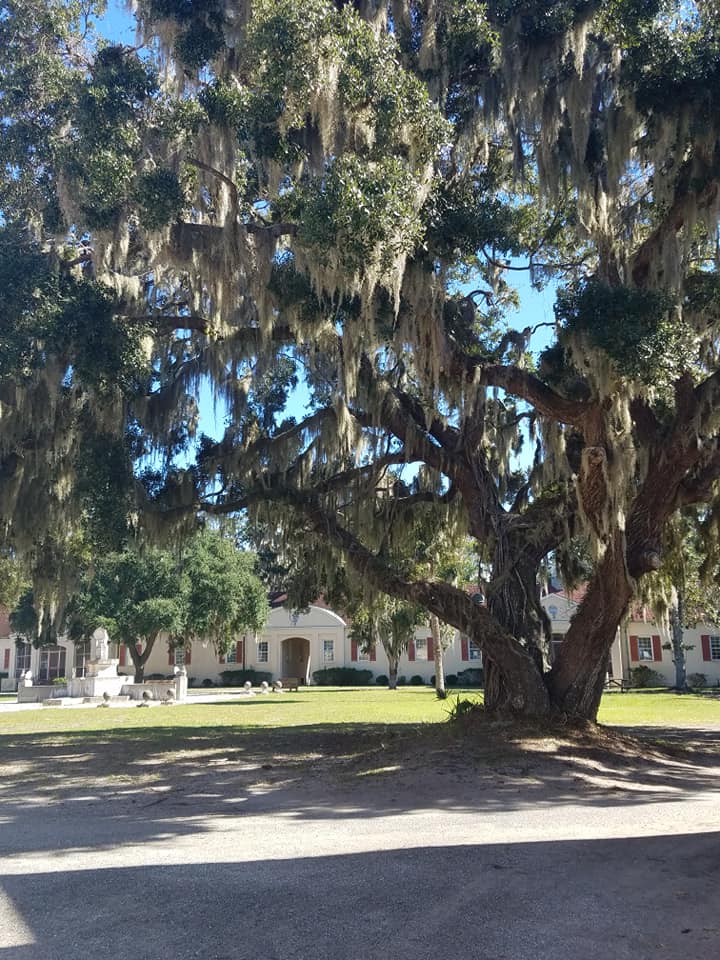
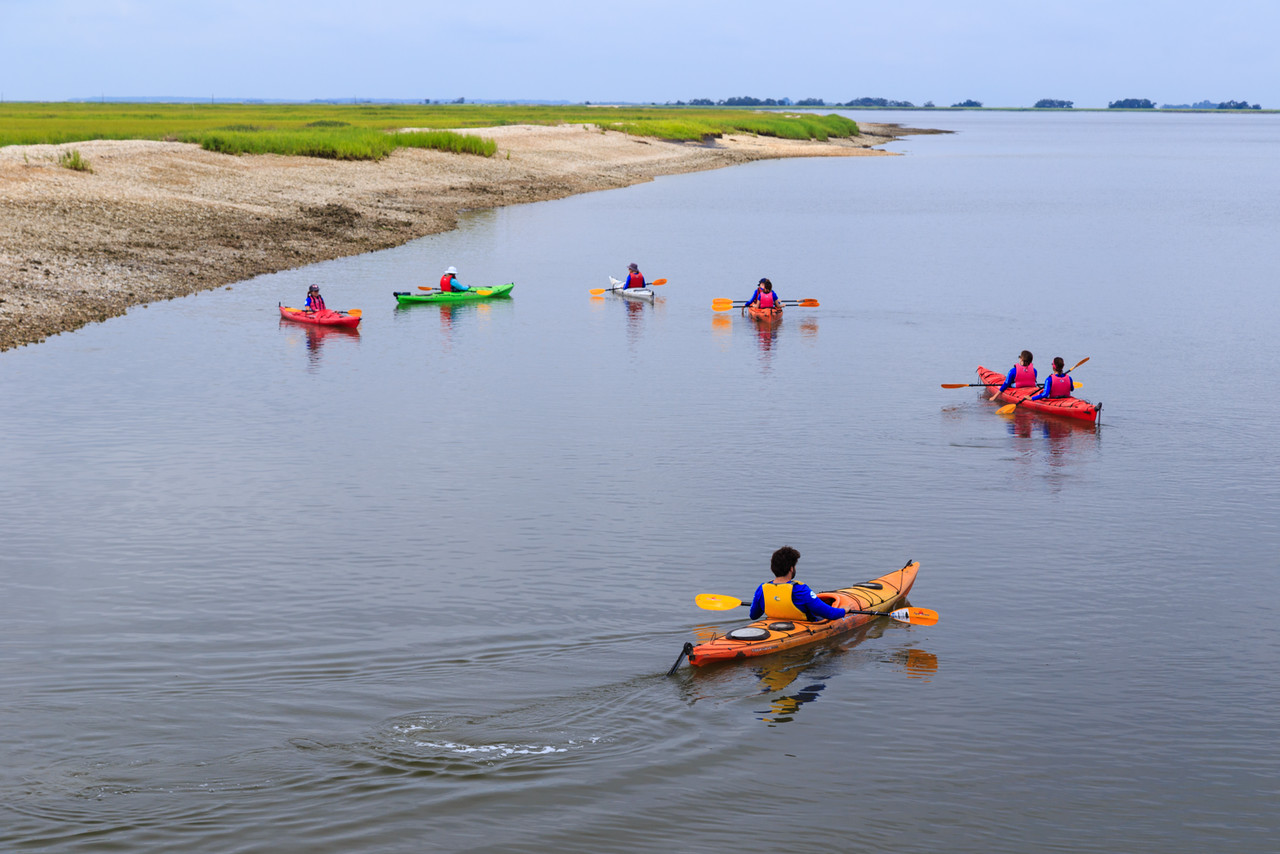
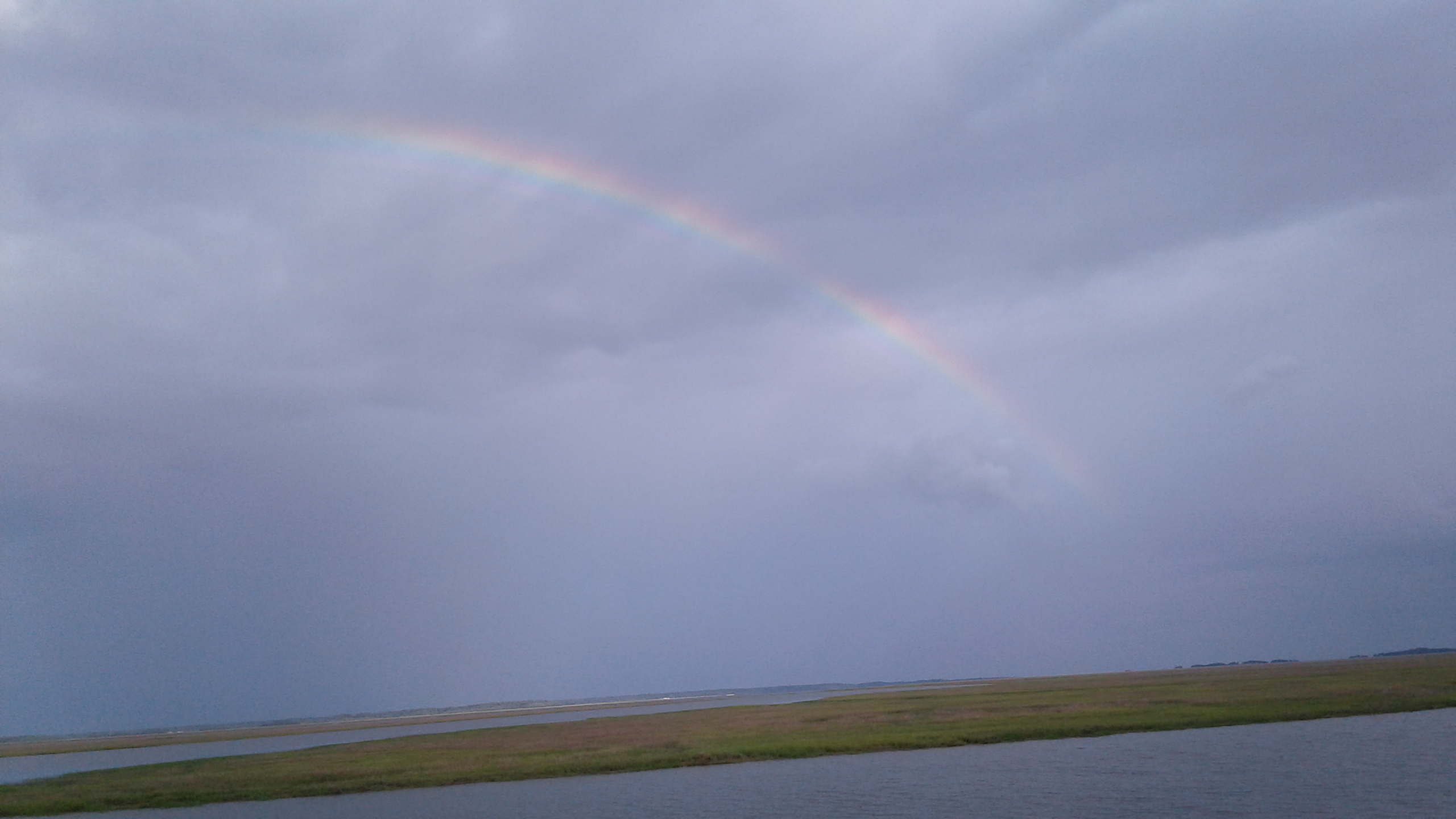
Natural beauty surrounds UGAMI on Sapelo Island
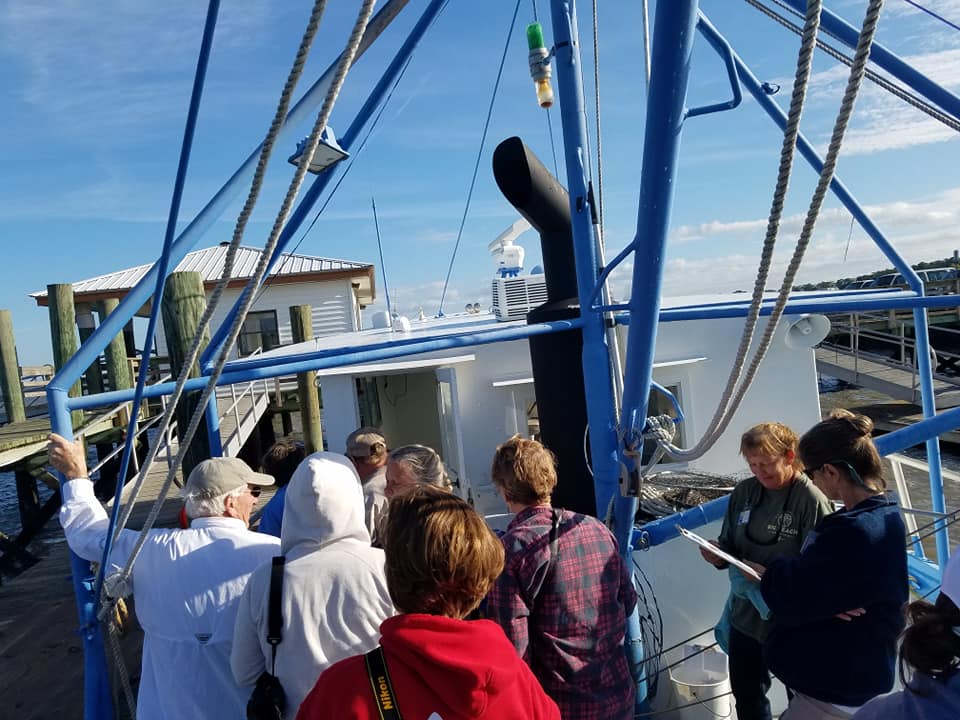
Ready to head out on the R/V Spartina!
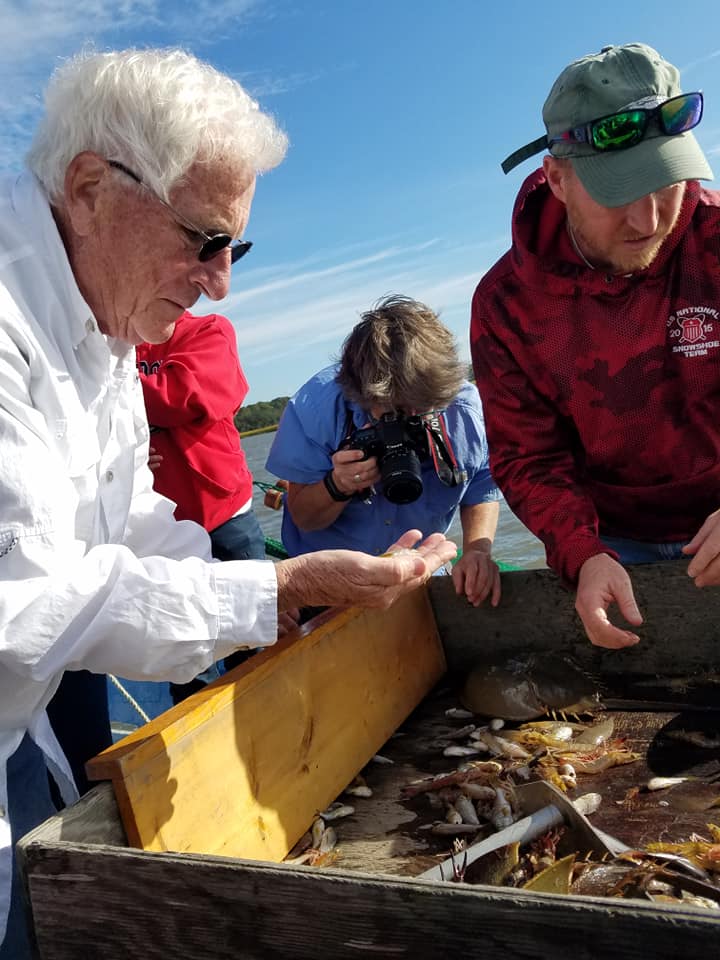
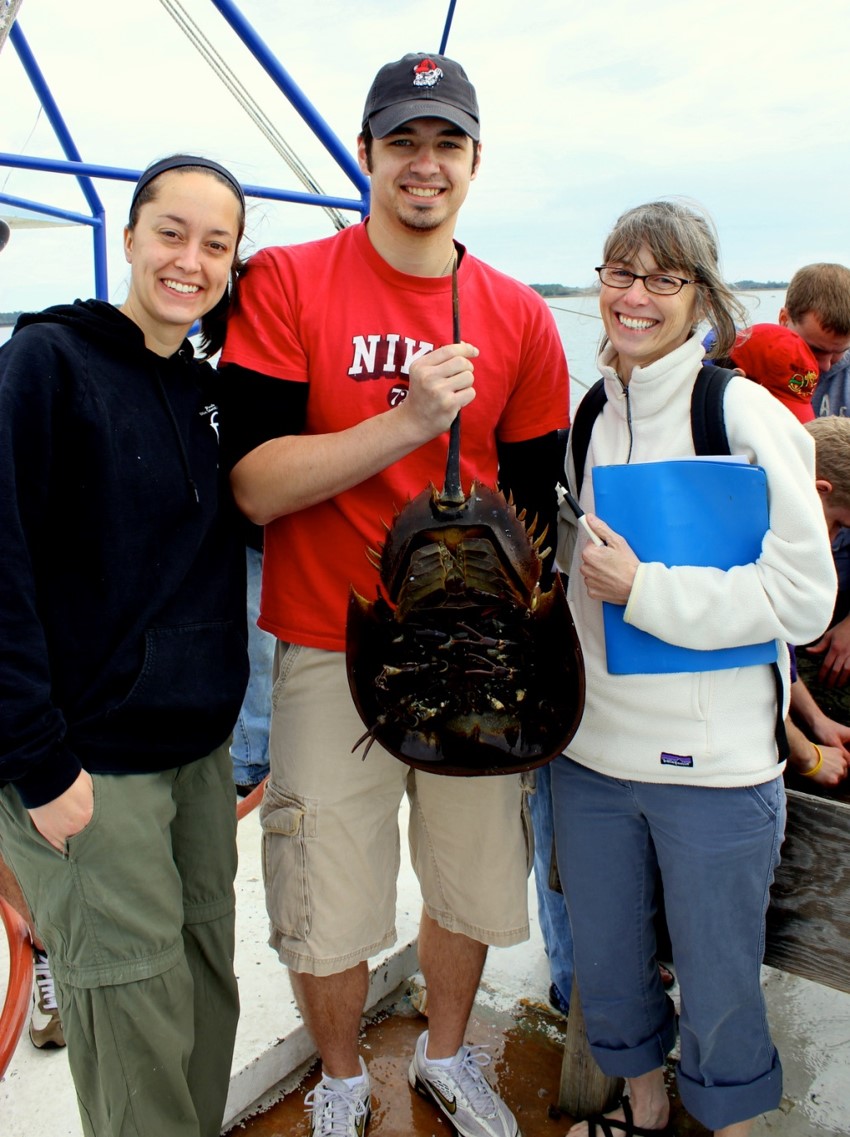
GAME members explore their trawling catch with UGAMI’s Assistant Director, Damon Gannon (right).
The University of Georgia Marine Institute is pleased to announce the creation of a new academic program, the Marine Biology Spring Semester. This exciting opportunity is open to undergraduate and graduate students, from any college or university, pursuing a degree in biology, ecology, chemistry, geology, fisheries biology, wildlife biology, environmental science, marine sciences, oceanography, or related field. Students will be immersed in field-based learning while taking up to 17 credit hours of formal coursework in marine biology and ecology, and have an opportunity to conduct independent research under the guidance of a faculty member. Students will be in residence at the UGA Marine Institute on Sapelo Island from January 8 – May 2, 2019. Admission is on a rolling basis, with a final application deadline of November 9, 2018.
The Georgia Coastal Ecosystems Long-Term Ecological Research program, which is based at the University of Georgia Marine Institute, is being featured in a symposium highlighting the links between people and marine ecosystems hosted today in Washington D.C. by the National Science Foundation. More on this symposium can be seen here.
Dr. Mary Ann Moran (right) with students in UGAMI’s Coastal Summer Semester during a trawl survey aboard the R/V Spartina.
UGAMI Faculty Member, Mary Ann Moran, was named Regents’ Professor. Dr. Moran is the Principal Investigator of the Sapelo Island Microbial Carbon Observatory and founder of the Coastal Summer Semester Program, both of which are based at UGAMI.
See this article in UGA Today for more on Dr. Moran’s Accomplishments. Congratulations, Mary Ann!
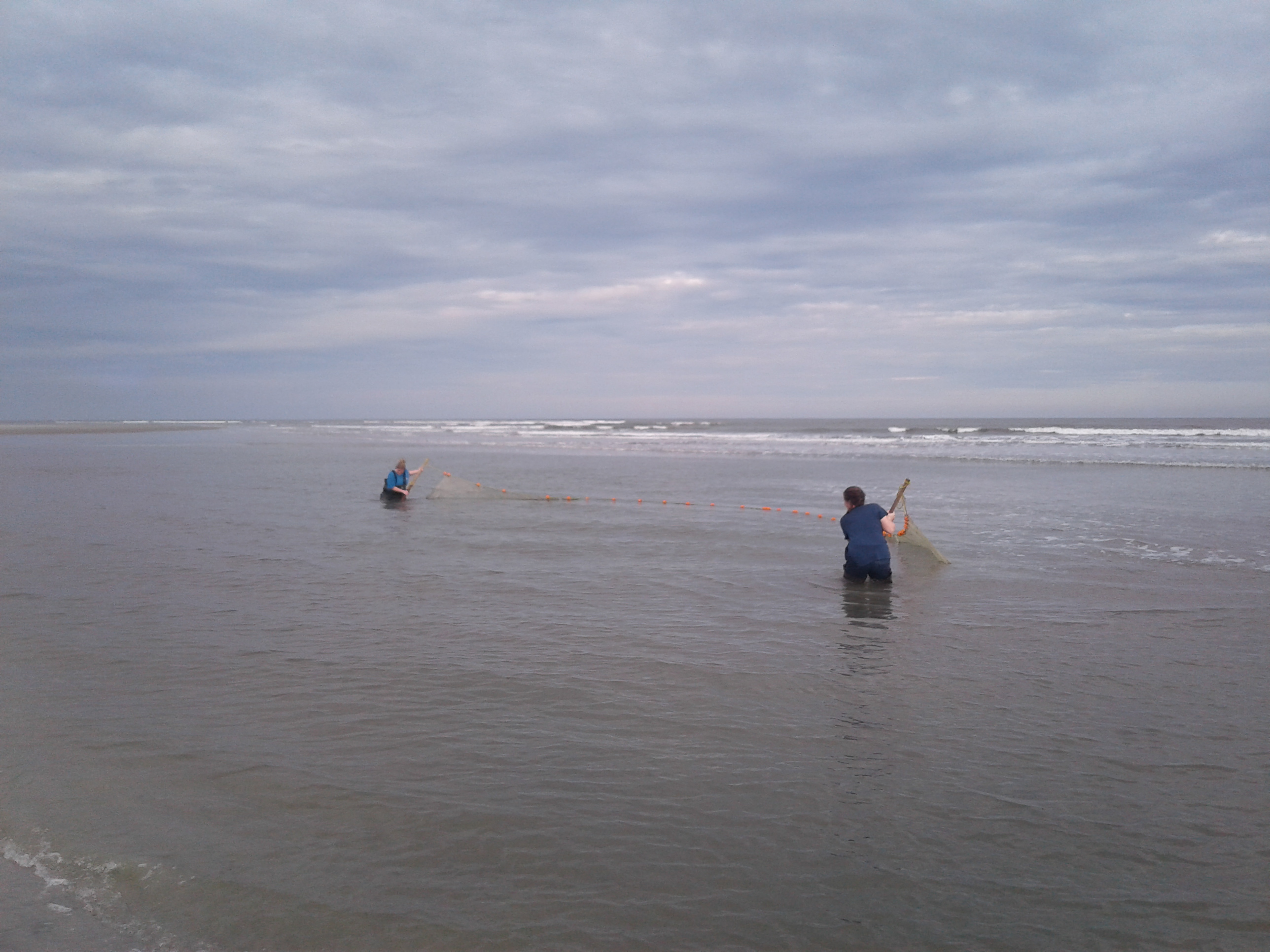
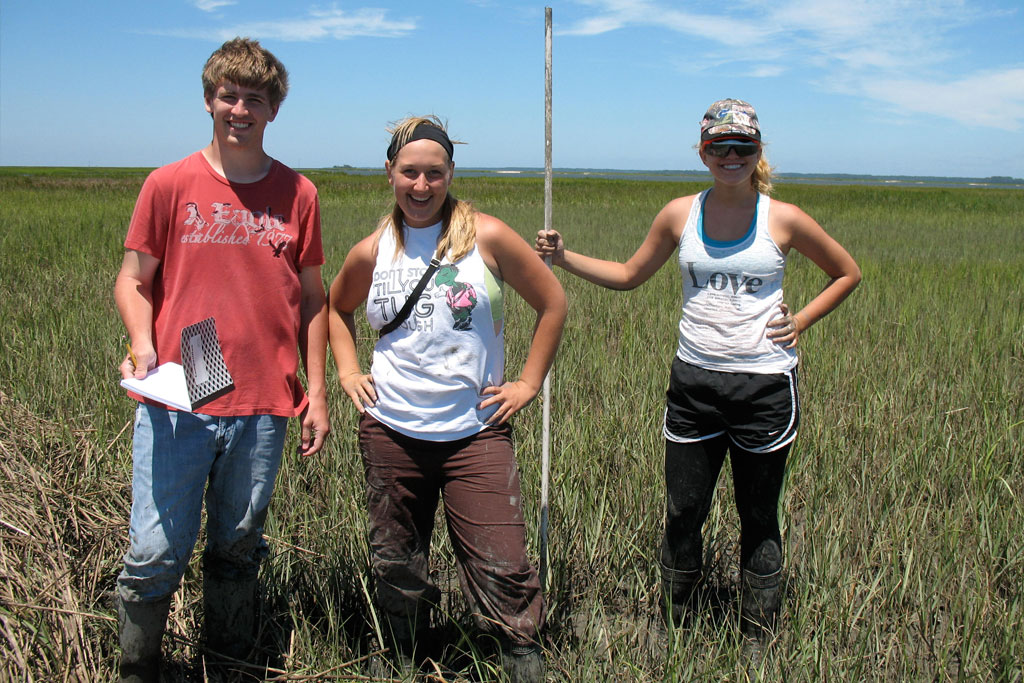
Students from Rockford University (Illinois) seining fish at Nannygoat Beach.
As university campuses across the country pause for spring break, teaching and research activities at UGAMI ramp-up. Faculty and students from universities all over the U.S. take advantage of the break in the normal class schedule to come to UGAMI to conduct research or to bring their classes on extended field trips. March is one of the busiest months in the UGAMI calendar. Visiting faculty and students from northern latitudes use this time as an opportunity to learn, while thawing-out at the end of a long winter.
Any university faculty members interested in leading a field trip or initiating a research project at UGAMI can contact our Program Coordinator, Gracie Townsend.
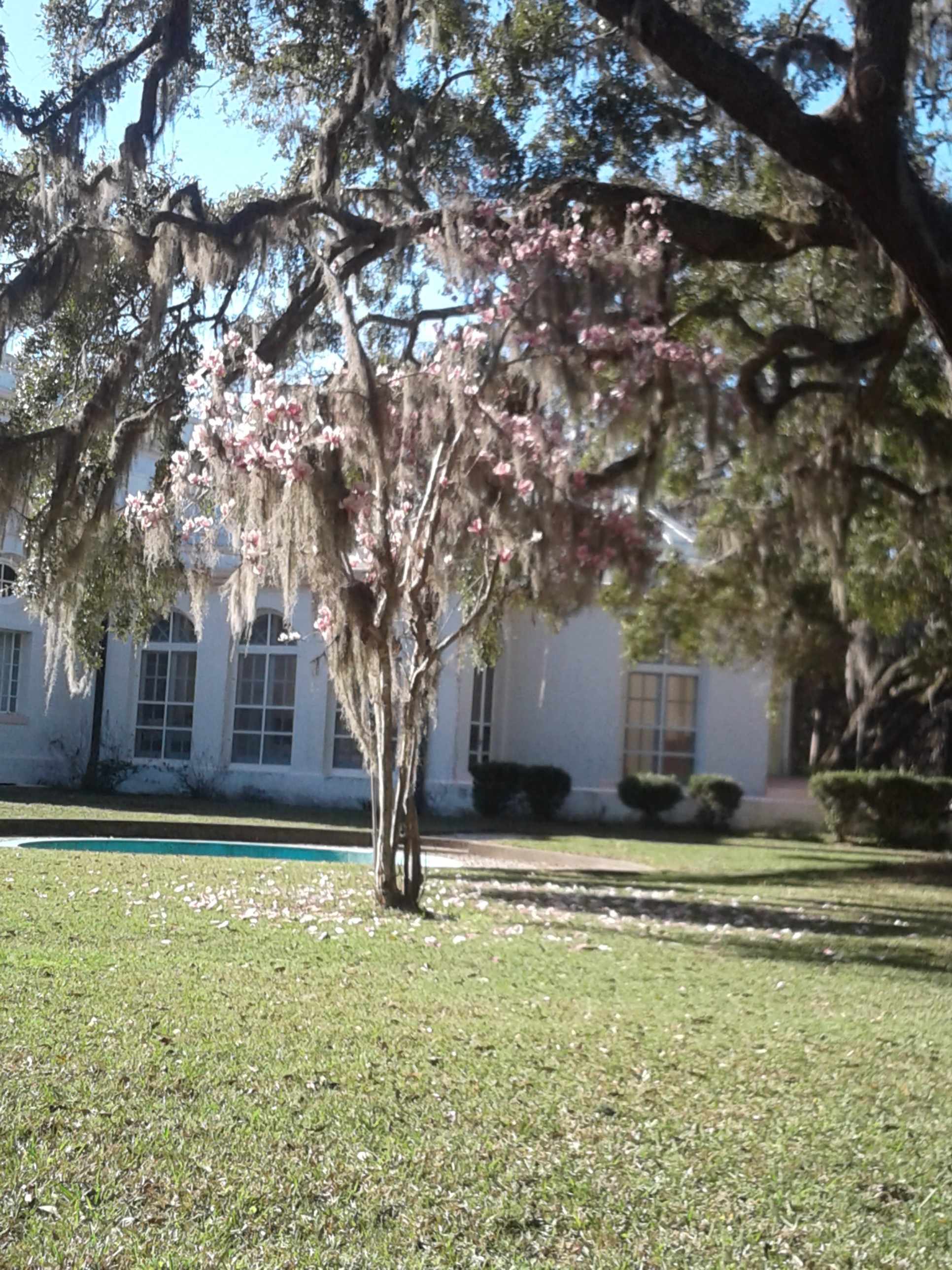
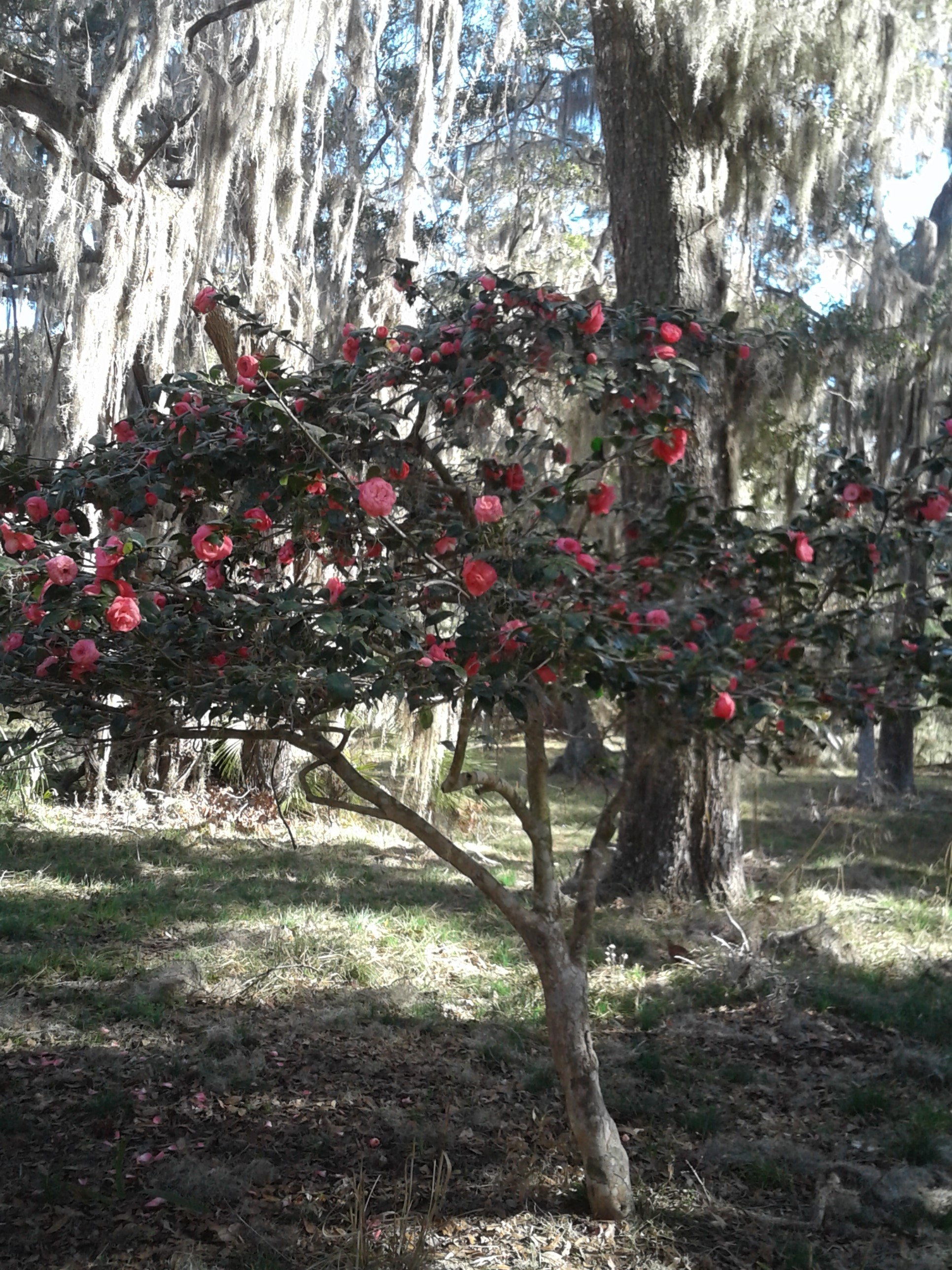
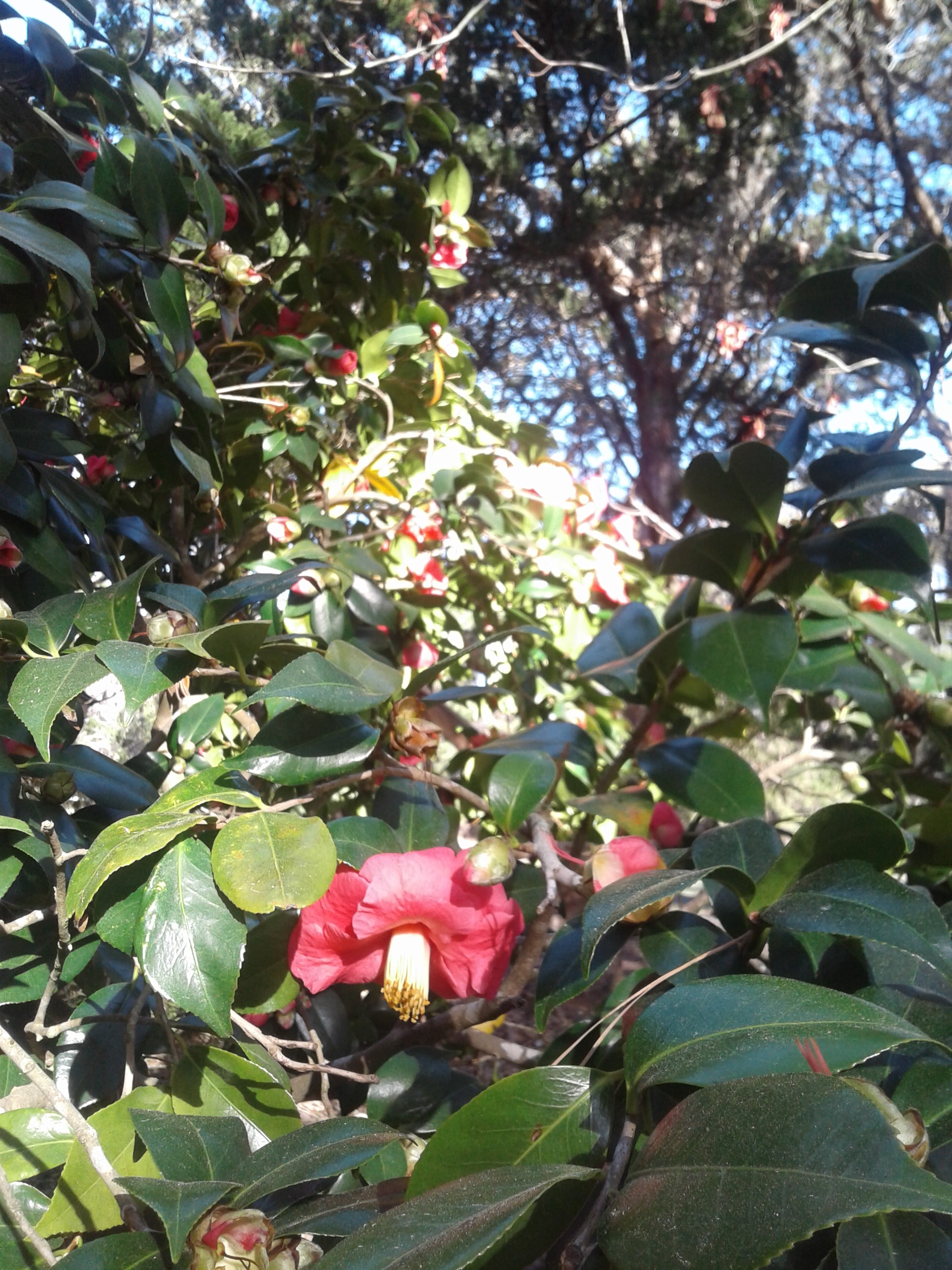
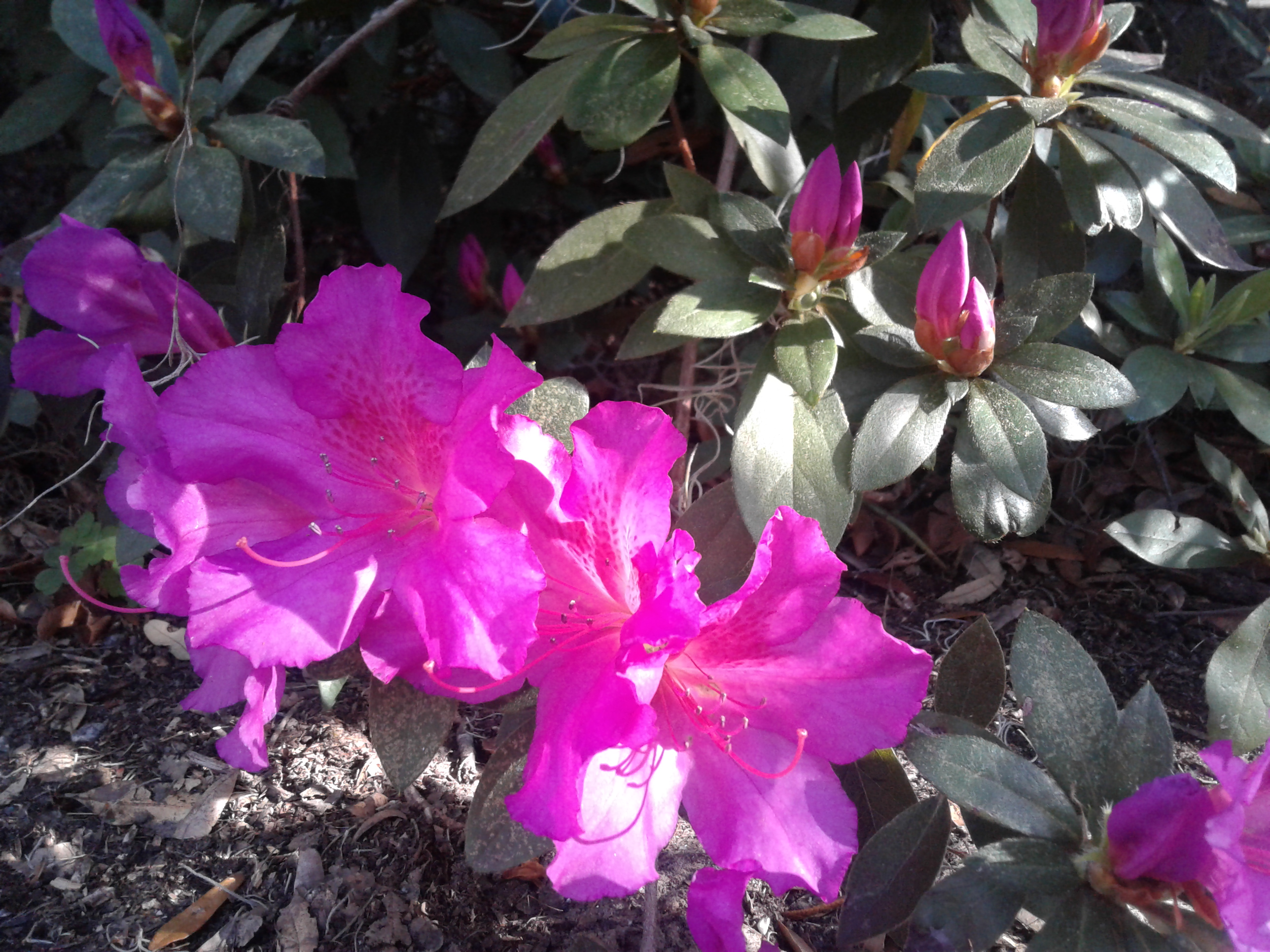
Spring flowers on Sapelo Island are in full bloom from late February through March.
Applications are now open for undergraduate internships with the Georgia Coastal Ecosystems – Long-Term Ecological Research program (GCE – LTER). This project is part of the National Science Foundation’s Long-Term Ecological Research Network. The GCE – LTER is centered at the University of Georgia Marine Institute, and many of these internship positions will also be based here.
Application reviews will begin on March 5, 2018 and the deadline to apply is March 19, 2018. If you have any questions about the internships, please contact Adam Sapp (asapp@uga.edu).
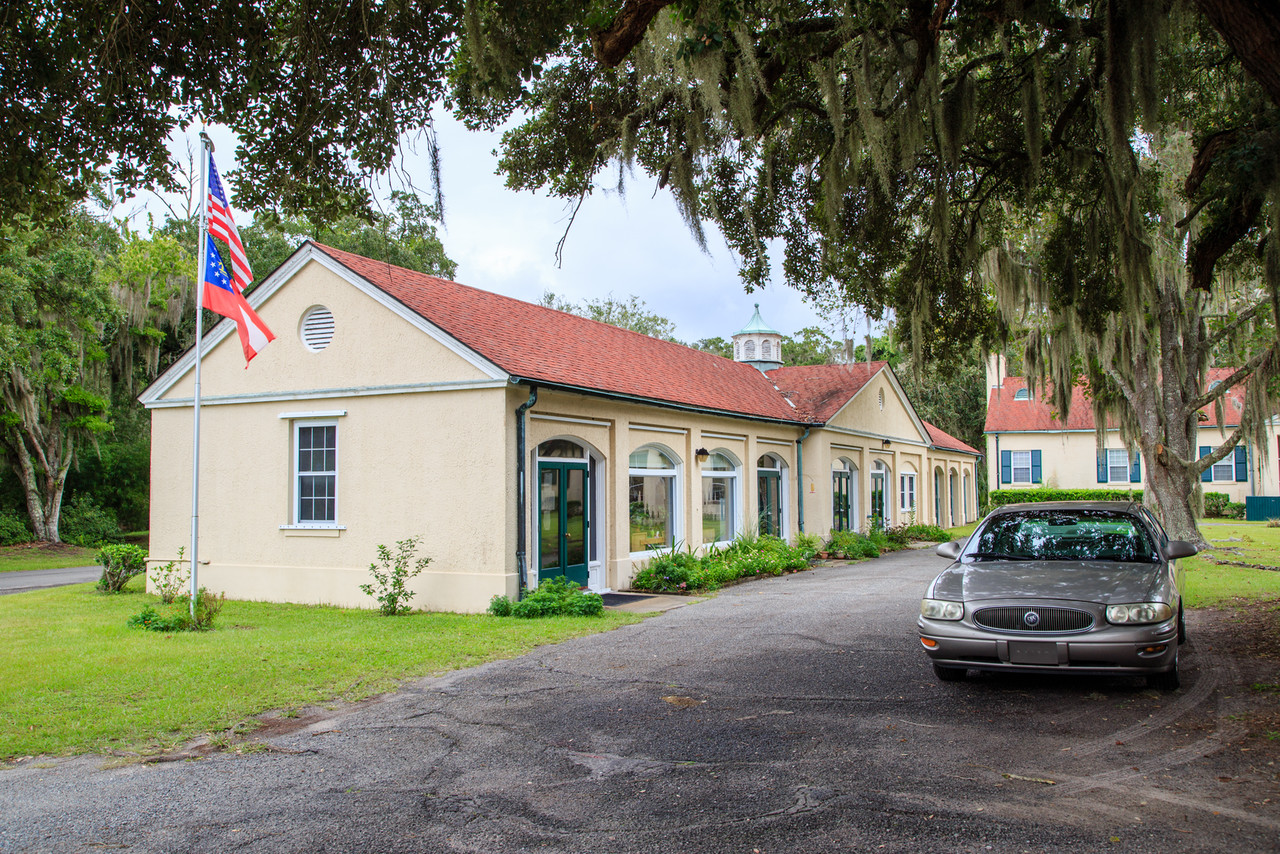
The Administration Building before Hurricane Irma. (Photo by Wade Sheldon.)
When life gives you lemons, make lemonade! For the past few years, UGAMI has been implementing an infrastructure improvement plan. Hurricane Irma was certainly a setback to those plans (see earlier posts on Hurricane Irma’s damage and subsequent recovery efforts). However, Irma has also presented some opportunities. In fact, Irma has allowed renovations of the Administration Office Building and Carriage Building to take place much sooner than originally planned. Since these buildings had to be gutted as part of the flood restoration, and the construction crews (and their equipment) were already on the island, it is going to be much more cost-effective in the long-run to renovate these two buildings now, rather than restoring them to their pre-storm condition and then renovating them again in a few years. The Institute’s insurance would pay to restore the buildings to their original condition. But the original condition did not suit our needs very well and did not meet current building codes. Fortunately, the insurer agreed to allow us to renovate the buildings; they will reimburse UGAMI for the amount of money that it would have taken to simply restore the buildings to their pre-storm condition. This means that UGAMI just has to fund the difference between the cost of restoration and the total cost of the renovation project. This will result in a significant cost savings for UGAMI.
Renovations to the administrative office and Carriage Building are intended to meet three goals:
Bring the buildings up to current codes with regard to accessibility and health & safety;
Reconfigure the interior spaces to better suit the Institute’s needs; and
Make the buildings more resistant to flooding.
The biggest change to the Administration Building will be the creation of additional offices and construction of a visitors’ center that will house exhibits on the research conducted at UGAMI. This will allow all of the office staff to be located under one roof and will improve our outreach education capabilities.
Much of the Carriage Building will be turned into a recreation center for students. As our academic programs grow, we are hosting more students, for longer periods of time. Having a separate space for fitness and recreation is becoming a major need. The Carriage Building will also have offices for our Facilities Management staff and a commercial-grade laundry facility to make it easier for our housekeeping staff to wash linens.
Flood mitigation measures on these buildings will include raising the foundation slabs approximately four inches, installing back-flow preventers on plumbing drains, raising the height of electrical outlets, sealing cracks in the exterior walls, and mounting flood barriers on doors and windows. These measures will essentially make the buildings water tight to a depth of 32 inches above ground level.
It has been a long, difficult recovery from Hurricane Irma. But we are starting to see how this experience is making UGAMI stronger than ever.
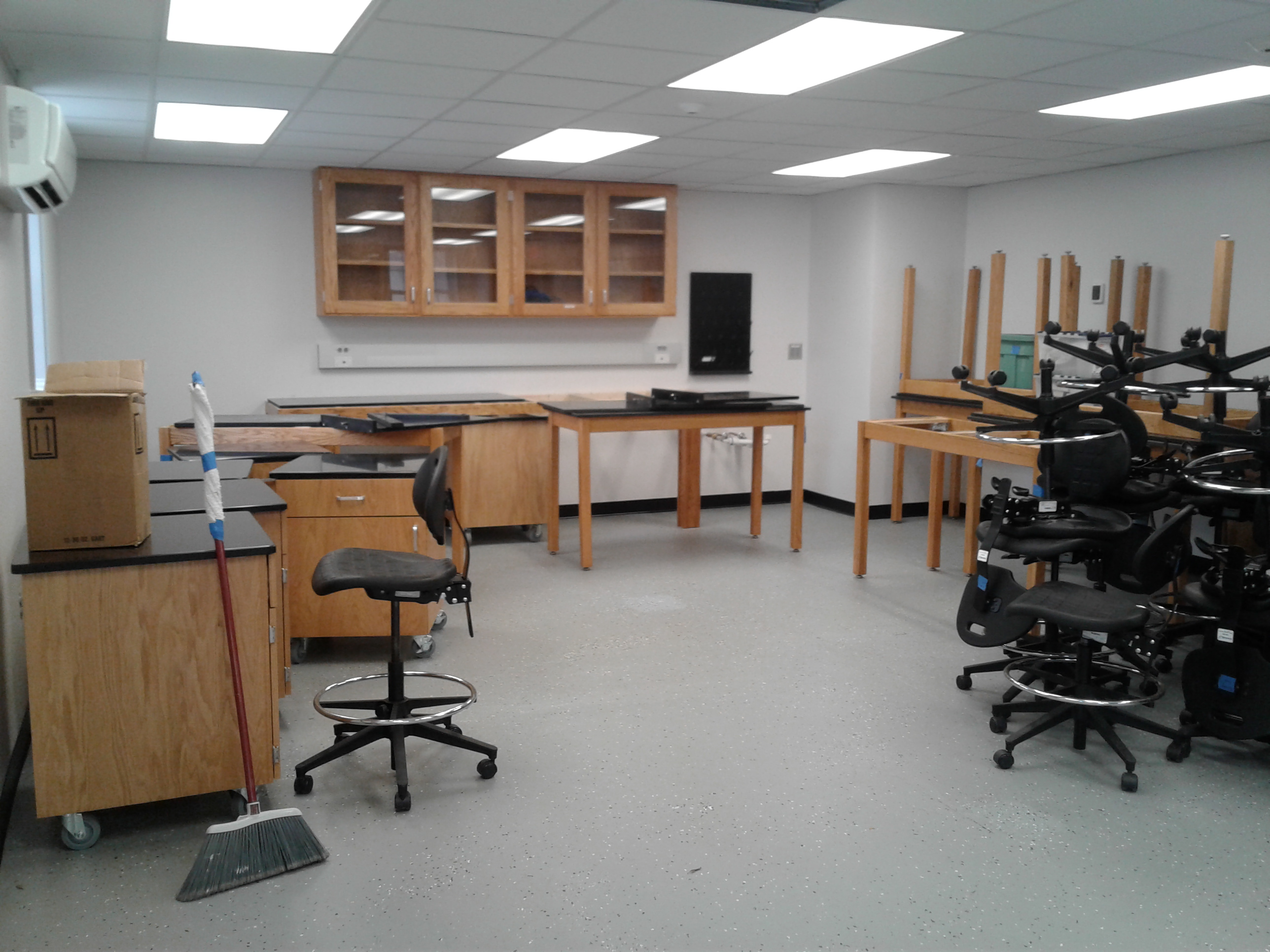
Restoration nearly completed in the teaching lab (as of Feb 9, 2018). Electrical utilities were removed from the floor, the floor tiles have been replaced with an epoxy finish, and the bottom two-feet of the walls have been replaced, and the walls have been painted. New electrical outlets will be installed in the ceiling and new flood-resistant cabinets will be installed.
The Bad News:
On September 11, 2017, the University of Georgia’s Marine Institute was flooded by storm surge caused by Hurricane Irma. Three-quarters of all the buildings on the campus were affected (16 buildings and several small out-buildings), including research laboratories, teaching facilities, dormitories, faculty/staff housing, administrative offices, Facilities Maintenance shops, the small boat hoist, and dining facilities. The depths of floodwaters inside buildings ranged from one inch to one foot. This seawater flooding damaged or destroyed flooring material, cabinetry, interior sheetrock wallboard, low-lying electrical outlets, furniture, and laboratory & office equipment. (See earlier post on Hurricane Irma damage.)
The core campus buildings at the University of Georgia Marine Institute were built in the mid-1930s. These buildings were originally part of a livestock farm operation built by R.J. Reynolds, Jr. (Reynolds established the UGA Marine Institute and converted the buildings to meet the needs of the scientists in 1953). Since the time that these buildings were constructed, sea level on the Georgia Coast has increased approximately 10 inches. This is the first time that buildings on the UGAMI campus have been damaged by flooding.
Hurricane Irma caused a major disruption to UGAMI’s research and education work. Many of the Institute’s 21 permanent staff members have been displaced from their offices, laboratories, and workshops (for 150 days and counting, as of this writing). Four temporary office trailers were brought to the UGAMI campus by barge to accommodate the administrative staff. In addition to the permanent staff that were displaced, research and education programs have been interrupted. Each year, dozens of research scientists and 600-700 students come to UGAMI to study coastal ecosystems. Fall is the busiest time of year for class visits. In 2017, UGAMI was essentially closed to visiting class groups for the entire fall semester.
The Good News:
UGAMI is getting back on its feet. In late December, 50% of UGAMI’s student housing was re-opened, allowing a partial restoration of its educational programs (The other 50% of student housing units remain unavailable to students because they are occupied by construction crews who are performing storm restoration work on campus.). Staff/faculty housing in Shell Hammock has been restored and the seawater lab is back up and running. The teaching lab and visitors’ labs are nearing completion. Restoration work of all buildings, except for the administration office building and Carriage Building, should be completed within the next month.
See photos of Hurricane Irma Restoration work Here.